Alcohol and Your Health: What Current Guidance Says
Read current U.S. guidance, work out what a serving contains, and find a place to turn when drinking starts changing.

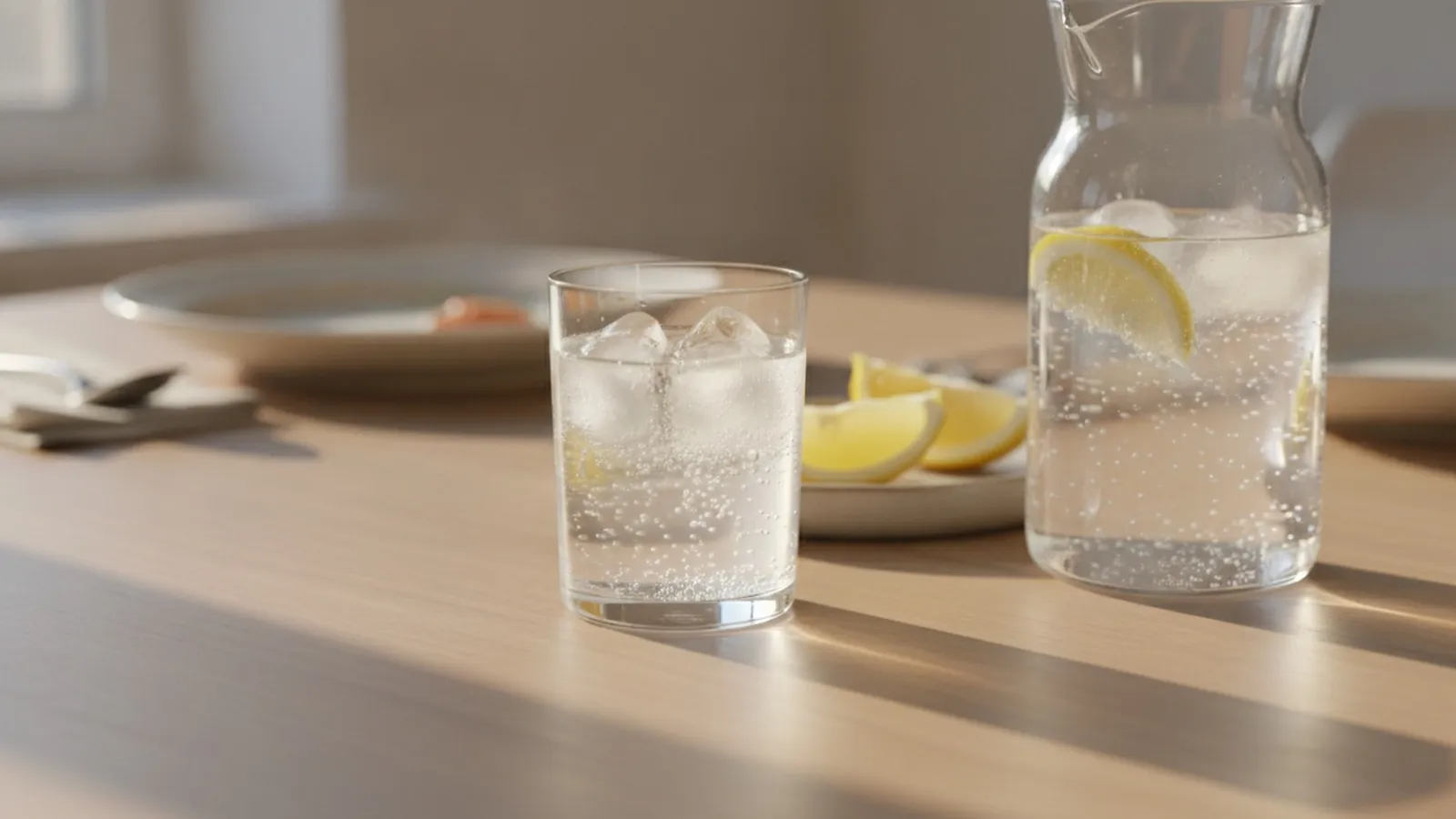
A glass, a can, and a mixed drink are different ways to serve alcohol. None tells you how much alcohol it contains without a little more information. If you’re curious about how much you drink or how it fits into an ordinary week, start by learning the standard drink and then consider what you notice about your habits.
This is general health information. Check with a doctor before starting a new exercise program, changing your diet, or taking a supplement. A healthcare professional can also help you decide how to change your drinking safely.
Read the guidance in its own words
The 2025–2030 Dietary Guidelines for Americans say, “Consume less alcohol for better overall health.” They list pregnant women, people recovering from alcohol use disorder or unable to control the amount they drink, and people with medications or medical conditions that can interact with alcohol among those who should avoid it completely. People with a family history of alcoholism are advised to be mindful of alcohol consumption and associated addictive behaviors. (Dietary Guidelines for Americans, 2025–2030, p. 5, checked November 24, 2026).
The Dietary Guidelines give a direction. If you want to learn more about what you drink, the next step is to separate the guidance from your own serving size. A standard drink helps you put various servings on the same scale. What you notice about the times and situations you drink can be as useful to discuss with a clinician as the total alone.
The CDC’s page on moderate alcohol use says drinking less or avoiding alcohol can lower alcohol-related health risks. It also says that even low levels of drinking can raise the risk of some cancers. That CDC page still refers to the earlier 2020–2025 edition of the Dietary Guidelines, so its moderation wording and the current edition’s wording are separate pieces of guidance. The CDC also says that if you don’t drink, you shouldn’t start for health reasons. (CDC overview of moderate alcohol use, checked November 24, 2026).
If a clinician has told you alcohol may interact with a medicine or condition, ask about the specific medicine or condition. Bring the name of the medicine and what you usually drink. A description of a standard drink can make that conversation easier, but your healthcare team can help you decide what applies to you.
Count what was poured
NIAAA defines a U.S. standard drink as about 14 grams of pure alcohol. That’s roughly the amount in a 12-fluid-ounce beer at 5% alcohol by volume, 5 fluid ounces of wine at 12%, or 1.5 fluid ounces of distilled spirits at 40%. The volume and strength matter together. Those examples are ways to compare an amount of alcohol. They don’t tell you how much was in the glass someone handed you. (NIAAA standard drink guide, checked November 24, 2026).
An example from NIAAA makes the difference concrete. A 12-ounce beer at 10% alcohol by volume contains two standard drinks, although the container is the same size as the 5% example. In an invented example, a 10-ounce wine pour at 12% is twice the volume of the 5-ounce reference at the same strength, so it’s about two standard drinks. A mixed drink may also contain more than one standard drink, depending on the ingredients and the pour. If you can’t tell the quantity or strength, treat your number as an estimate. (NIAAA standard drink guide, checked November 24, 2026).
Notice what changes in your week
Try writing down when you drink, what it is, and roughly how much, if you find that useful. Include the circumstances. You might drink when you share a meal with friends, when you come home from a long day, or when you’re having trouble settling in for the night. Look for occasions when you drink more than you planned or find a plan to skip it difficult to keep. If drinking is affecting your sleep, habits, or relationships, you can talk it through with a healthcare professional. See Middle Age Meaning’s guide to drinking habits in midlife and How to Build a Sleep Routine That Fits Your Life for related reading. (NIAAA Rethinking Drinking, checked November 24, 2026).
If you have been drinking heavily for a prolonged time, ask a healthcare professional how to reduce or stop safely. NIAAA warns that stopping abruptly after prolonged heavy drinking can cause dangerous withdrawal. Help can start with describing the pattern, being specific about the amounts, and asking what kind of follow-up is available. (NIAAA Rethinking Drinking, checked November 24, 2026).
Find help if you want it
SAMHSA’s National Helpline provides confidential treatment referrals and information in English and Spanish at 1-800-662-4357. For immediate emotional distress or a suicidal crisis in the United States, contact the 988 Suicide & Crisis Lifeline. You can call, text, or chat with 988. These are different services. A healthcare professional can also help you work out which options fit the situation. (SAMHSA National Helpline, checked November 24, 2026). (SAMHSA 988 Suicide & Crisis Lifeline, checked November 24, 2026).
Bring a concrete example to a conversation
If you want to talk to someone, think of a recent occasion you can describe. You could bring a note about how often it happens, how much you intended to drink, and anything that’s changed since you last thought about the habit. If you have questions about medicines or symptoms, bring those too. You can ask the clinician to explain the options and what the first step would involve. NIAAA suggests discussing the decision with a health professional or someone you trust. (NIAAA Rethinking Drinking, checked November 24, 2026).
Common questions
Is a standard drink the same as a serving in a bar or at home?
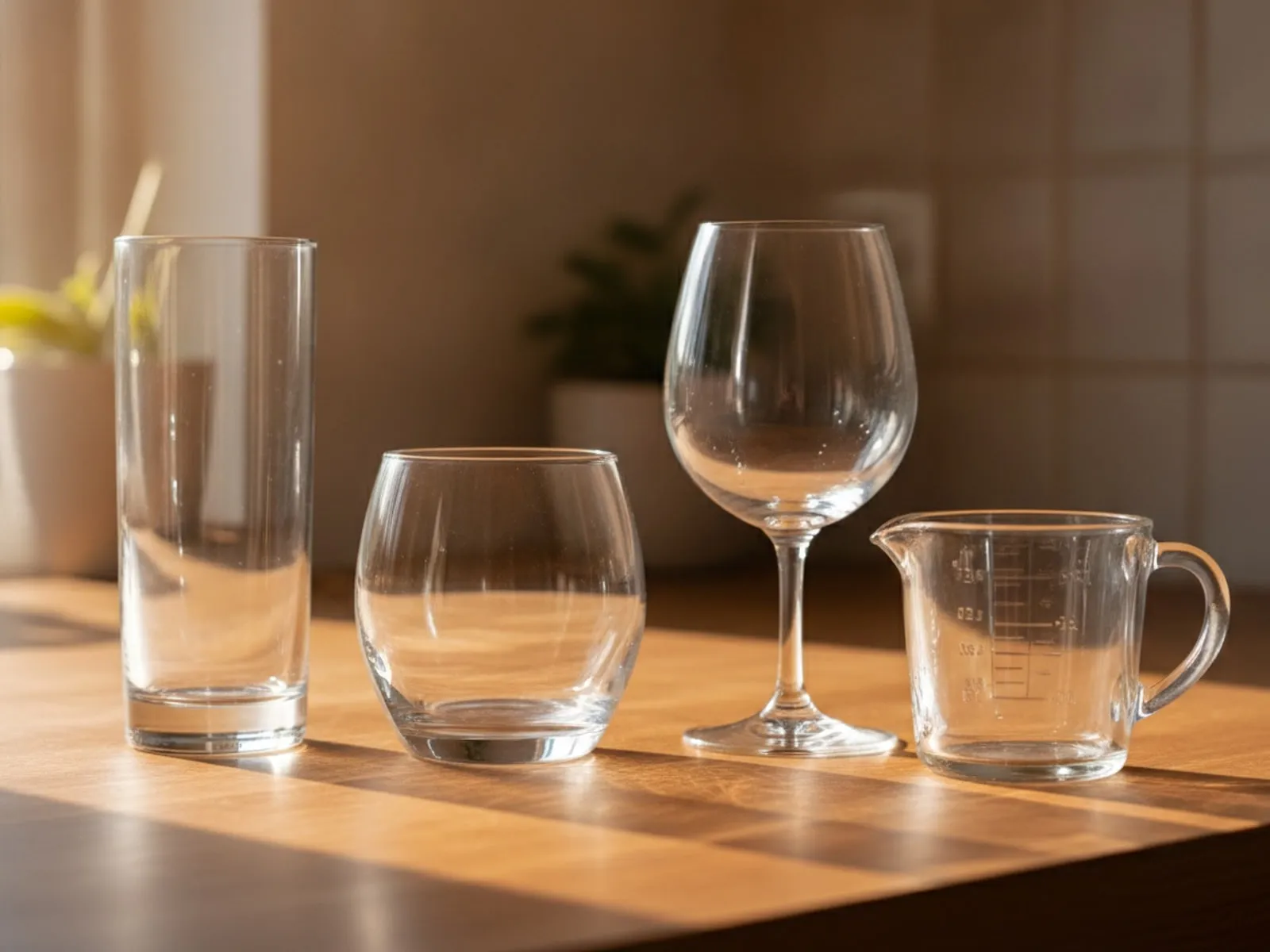
A standard drink is a measure of pure alcohol. The alcohol in a particular serving depends on how much is poured and how strong it is. Look for alcohol by volume and ask about the size of the pour when you want a closer estimate. For drinks you prepare at home, a small measuring cup can take some of the guesswork out of comparing a usual pour with the examples above. (NIAAA standard drink guide, checked November 24, 2026).
Sources checked
Checked November 24, 2026. Dietary Guidelines for Americans, 2025–2030, p. 5, CDC overview of moderate alcohol use, NIAAA standard drink guide, NIAAA Rethinking Drinking, SAMHSA National Helpline, SAMHSA 988 Suicide & Crisis Lifeline.