How Much Water Do You Need?
How much water you need on an ordinary day, what counts toward it, and how to plan for heat, hard work and heavy sweating.

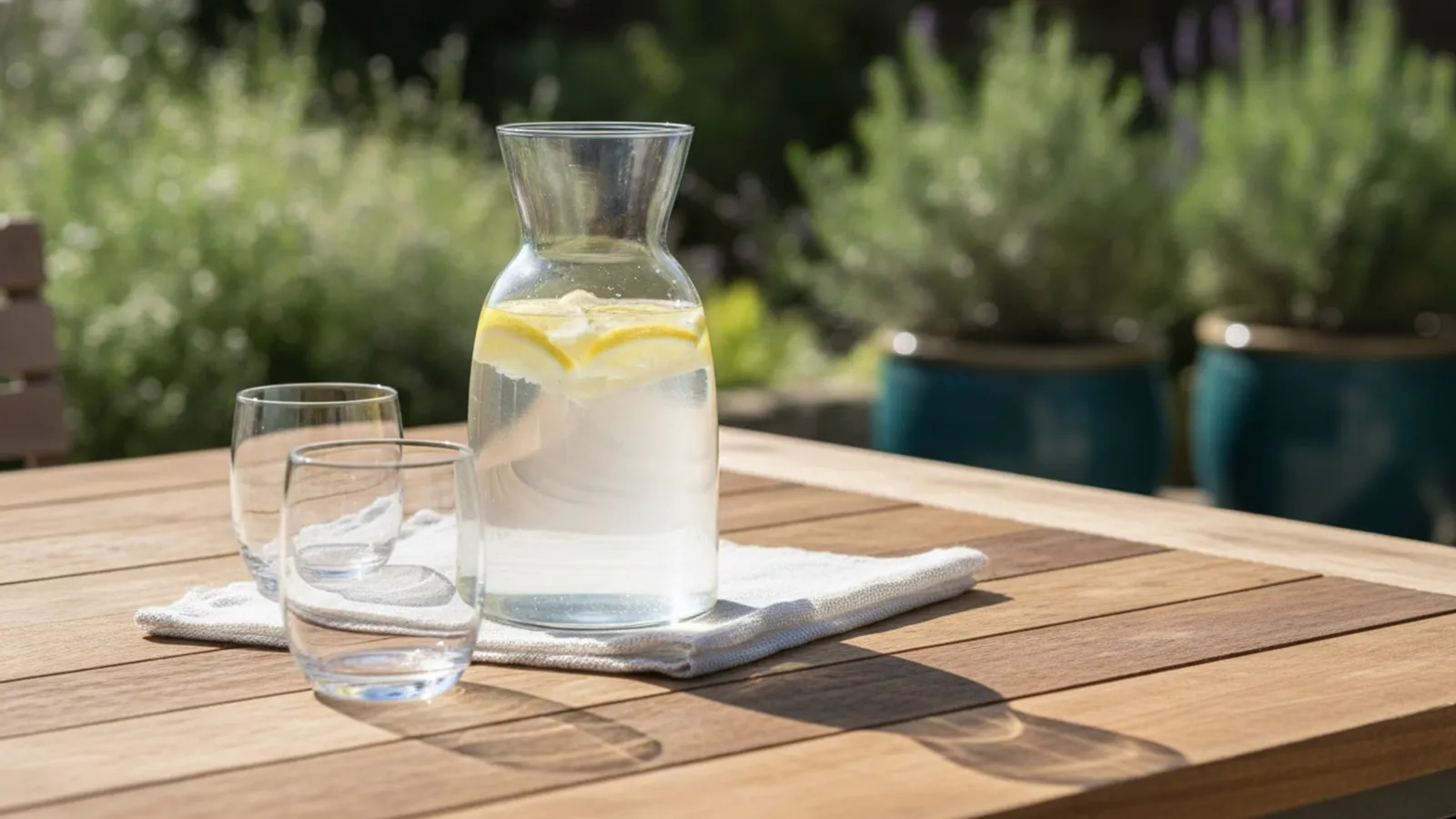
The water bottle on your desk can remind you to drink. It doesn’t tell you how many times you need to refill it. A quiet day indoors and an afternoon working in the heat ask different things of your body. Start with a regular way to drink during an ordinary day and plan ahead when you expect to get unusually hot or sweaty.
What counts toward your water intake?
Plain water is a good everyday option. Other drinks and foods that contain water contribute too. A bowl of soup, a piece of fruit, and a glass of milk all supply some fluid. The amount people need can vary with activity, the weather, and circumstances such as pregnancy or breastfeeding, or when you’re ill with a fever, vomiting, or diarrhea. Counting only bottles of plain water can give you an incomplete picture of what you’re getting. CDC guidance on water and drinks.
For a routine day, notice when it’s easiest to get a drink. You might pour a glass with meals, carry a refillable bottle when you leave the house, or keep water nearby while you work. You can choose sparkling or still water, whichever makes it easy to drink. If you like a little flavor, try a slice of lemon or a few berries in the bottle.
Plan differently when you’ll be sweating
If you’re going for an ordinary walk or doing a short workout, plain water will usually be the first choice. For a longer outing, think about the temperature, how much you expect to sweat, and when you’ll next have access to a drink. Carry water when you’re unsure about refill points and build in a break in the shade or somewhere cooler.
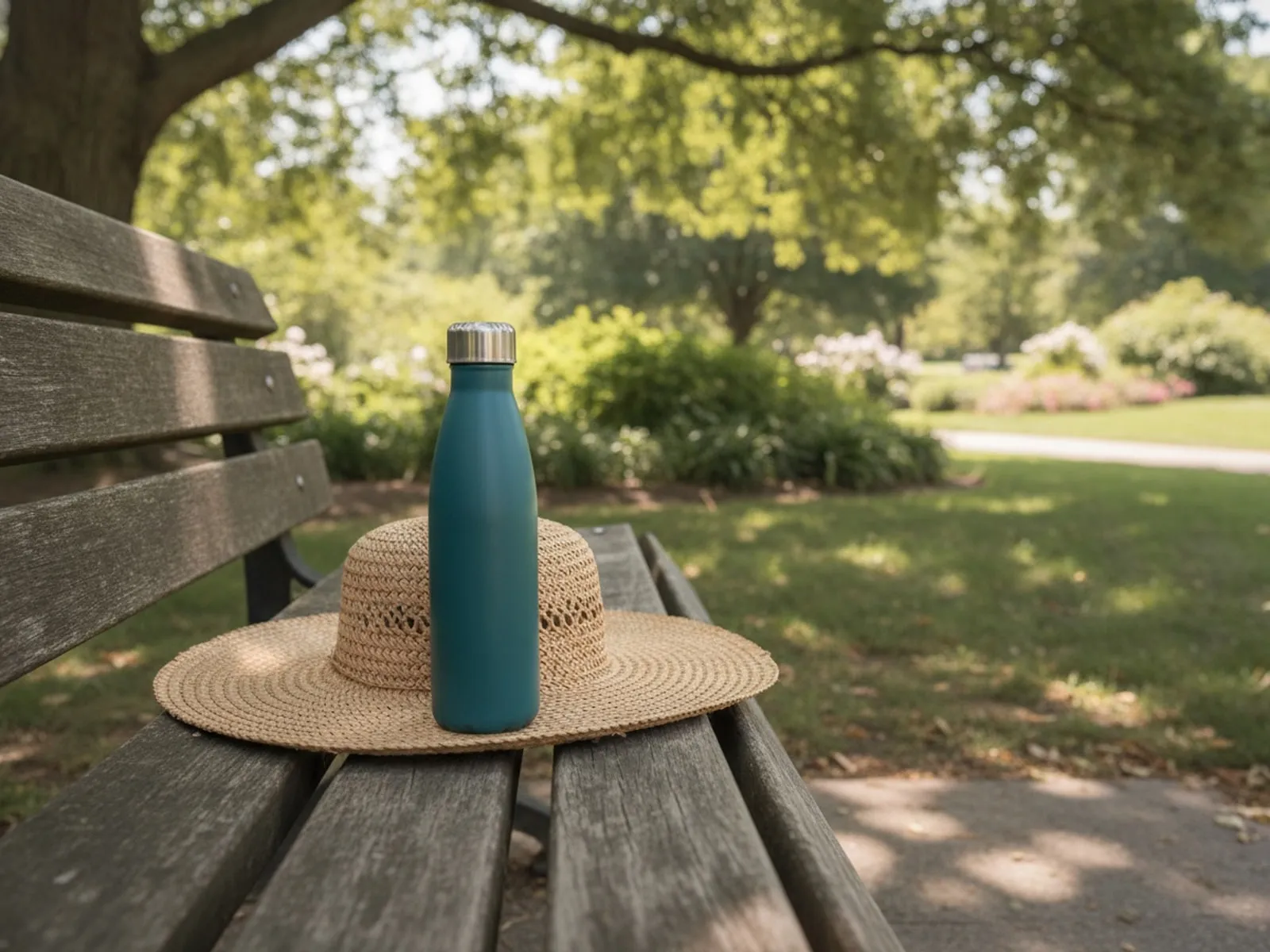
A sports drink can be relevant when you’re sweating for several hours. It can supply electrolytes, including sodium, along with fluid. Check the label to see what’s in it. Sports drinks vary, and many contain added sugar. The argument for having one on a long, hot outing is different from the argument for drinking one at your desk. NIOSH gives balanced electrolyte drinks as an option in its guidance on prolonged sweating at work. NIOSH heat stress recommendations, CDC guide to water and drinks.
Drinking more is only one way to respond to heat. Shortening the outing, moving it earlier in the day, and taking breaks that give you a chance to cool down can also help. If you feel faint or weak while exercising in the heat, stop all activity and get somewhere cool. Heavy sweating, dizziness, headache, nausea, or weakness can be signs of heat-related illness, and CDC advises getting medical care right away if they appear. If someone becomes confused, has slurred speech, or passes out after getting overheated, call 911 and move them somewhere cooler while you wait. CDC guidance for activity in extreme heat, NIOSH heat-related illnesses.
For an outing with a group, agree on how the refill or cooling stop will work. Somebody else may be used to moving faster or going longer between stops. Pick a place where you can all pause, or shorten the route if there’s nowhere suitable. If the outing takes you away from reliable water, think in terms of the trip back as well as the way out. You need a plan for the whole time you expect to be away.
Set up two kinds of day
Imagine you usually work indoors and take a short lunchtime walk. A glass with breakfast and a bottle at work make fluids easy to reach. On Saturday you plan to be outside for much of the afternoon. Look up where you can refill before you go, take enough water to reach the first refill, and pick a place to stop out of the sun. Check the forecast and change your plans if cooling down will be difficult.
If a healthcare professional has told you to limit fluids or manage your sodium intake, use that advice when deciding how much to drink and whether a sports drink fits. Bring a specific example, such as how long you plan to be out on a hot day, if you need help adapting the instructions.
For your next ordinary day, pick one point when you’ll put a drink within reach. For your next long or hot outing, decide where the water and the cooling break will come from before you leave.
Sources
- Centers for Disease Control and Prevention, About Water and Healthier Drinks and Heat and Athletes.
- National Institute for Occupational Safety and Health, Heat Stress Recommendations and Heat-related Illnesses.