How to Build a Healthy Week
Plan movement, a few easy meals and enough sleep around the week you actually have, with two sample weeks to adapt.

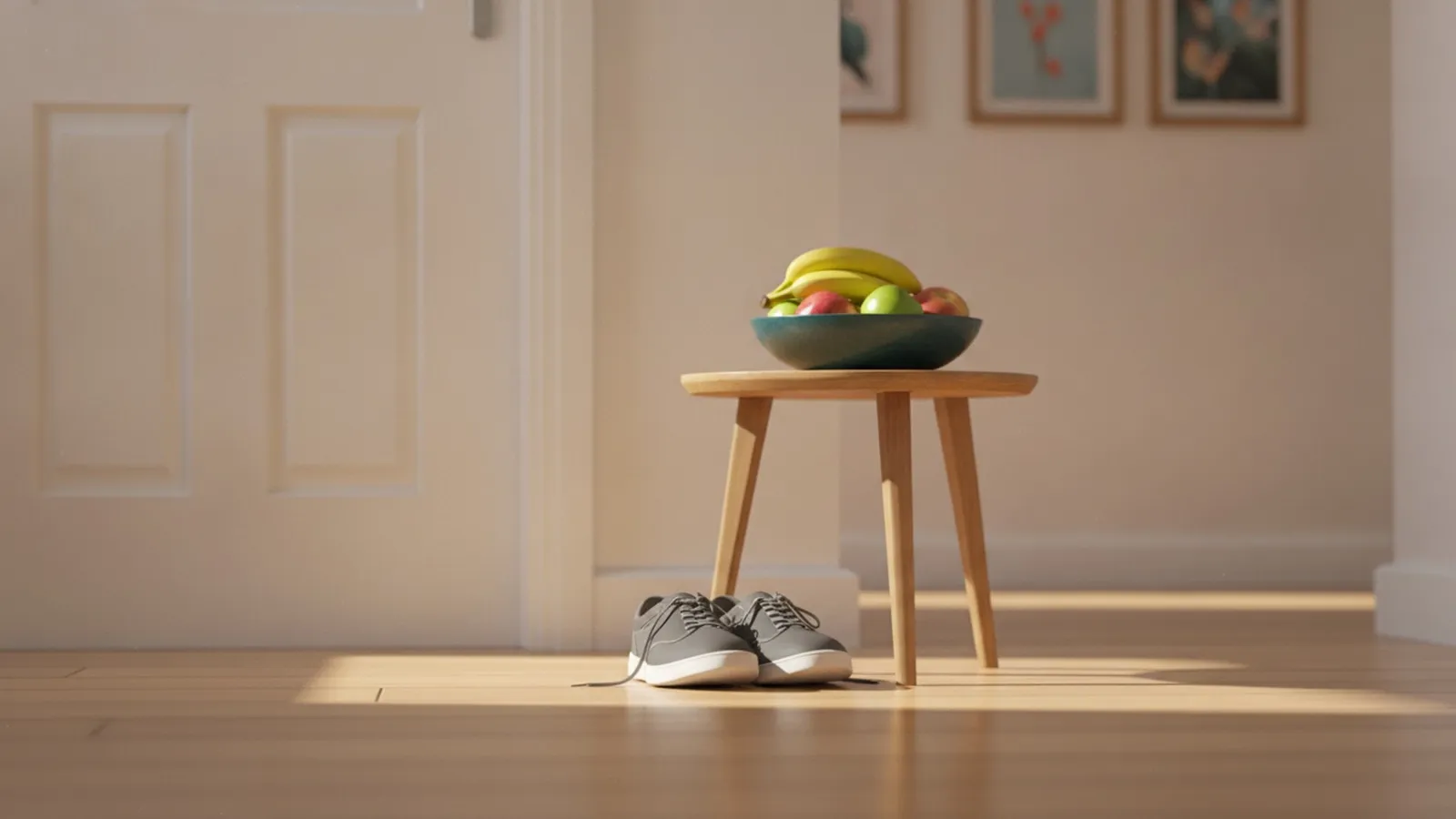
Look at the week ahead and find the evening most likely to get away from you. Maybe it’s the day you work late or the night everyone in the household needs to be somewhere different. What could you put in place now to make that evening easier? The answer might be a meal in the freezer or a walk at lunch. A healthy week takes shape around the days you actually live.
Give movement a place in the week
Start with the difference between where you are and where you’re heading. U.S. guidelines call for adults to get at least 150 minutes of moderate aerobic activity a week, or the vigorous equivalent, and to strengthen the major muscle groups on at least two days. If you’re doing little now, a few short walks are a reasonable place to begin. You can build toward the guideline over time. At a moderate walking pace, you can carry on a conversation, though singing would be difficult. CDC adult activity guidelines, CDC guide to measuring intensity.
Look for openings attached to something that already happens. Walk after you drop someone off, take a lap of the block when you close your laptop, or get off the bus a stop early where the route works for you. Choose your two strength slots the same way. Leave a day between them to make scheduling simple. Put the slots on your calendar with enough time to get ready and finish without rushing.
If a health condition or disability affects what you can do, ask a healthcare professional what activity and effort are suitable. If you’re pregnant, talk with your healthcare team about any adjustments to make. CDC activity guidance for adults with chronic conditions or disabilities, CDC guidance for pregnancy.
Make a couple of meals easy to repeat
Pick two dinners you know how to make and can imagine eating again. One could be lentils and rice with greens and a spoonful of yogurt. Another might be roast chicken or tofu, potatoes, and a bag of frozen green beans. Buy ingredients for those meals and one emergency dinner that can wait in the cupboard or freezer.
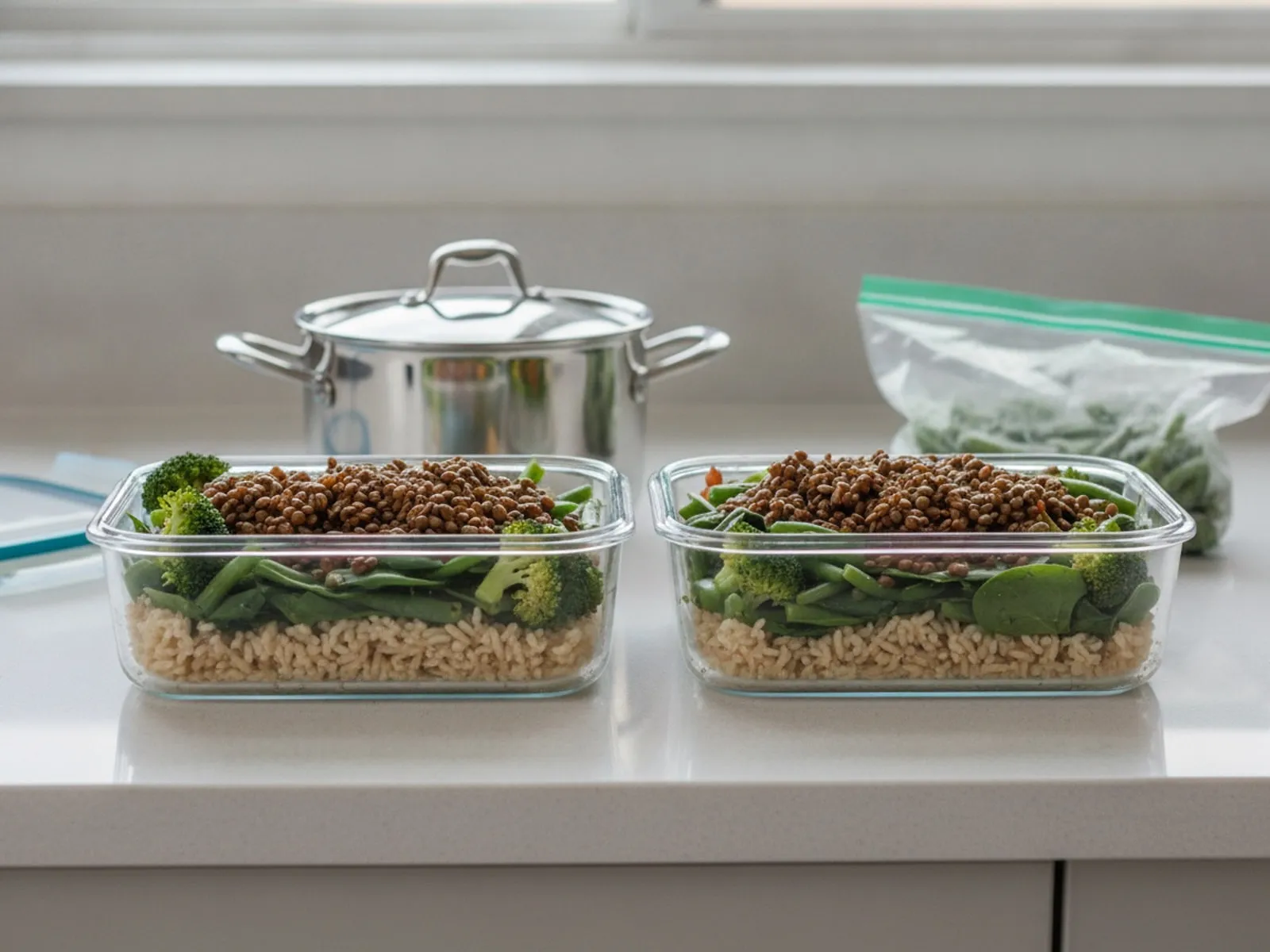
Start with the meal that regularly causes trouble. If mornings feel rushed, put oats and fruit where you’ll see them. If you buy lunch because you forget to bring it, portion tomorrow’s leftovers before putting dinner away. Use the examples as a way to combine produce, protein foods, and other staples you enjoy. U.S. Dietary Guidelines, 2025–2030.
Give yourself time to sleep
Pick a wake time that works on most days and count back to give yourself a realistic window for sleep. Then decide when to begin shutting things down. That might mean setting an alarm to stop working, leaving the phone outside the bedroom, or moving tomorrow’s preparations earlier in the evening. A regular sleep schedule is one of the CDC’s recommended sleep habits. CDC sleep guidance.
Two sample weeks
If you’re starting from scratch, take a short walk on Monday and Thursday and try a brief strength session on Tuesday. Repeat a familiar dinner twice. Set up one cue to begin winding down in the evening. If that feels easy to repeat, add a second strength day or one more walk the following week.
If you already move regularly, try a 30-minute brisk walk on Monday, Wednesday, and Friday, and another on Saturday and Sunday. Use Tuesday and Friday for full-body strength work. Make extra on Monday for Tuesday’s dinner, and save a quick meal for the evening that often runs late. Move any of those days to suit your calendar.
Give your busiest day a fallback. A ten-minute walk between meetings, a shorter strength session, or a dinner that comes from the freezer can keep the plan usable when the day changes. Pick a fallback you would willingly do on a tired evening.
At the end of the week, notice what took the least effort to repeat. Keep that in place. If you missed both planned walks because evenings got crowded, try lunch next week. Change the timing before you add more commitments.
A short Sunday check can make this easier. Look at the calendar with anyone you share chores or meals with and decide who needs the kitchen or the car when. If you have a strength session planned for Friday and you learn you’ll get home late, move it to Thursday while you still have a choice. If a friend wants to walk, agree where you’ll meet. Small decisions made early keep the week from depending on a fresh burst of energy every day.
Sources
- Centers for Disease Control and Prevention, Adult Activity: An Overview and How to Measure Physical Activity Intensity.
- U.S. Department of Health and Human Services and U.S. Department of Agriculture, Current Dietary Guidelines.
- Centers for Disease Control and Prevention, Chronic Conditions and Disabilities Activity and Pregnant and Postpartum Activity.
- Centers for Disease Control and Prevention, About Sleep.