How to Build Better Balance as You Age
Practice balance alongside strength and walking with movements that match everyday tasks, and judge progress by what feels steadier.

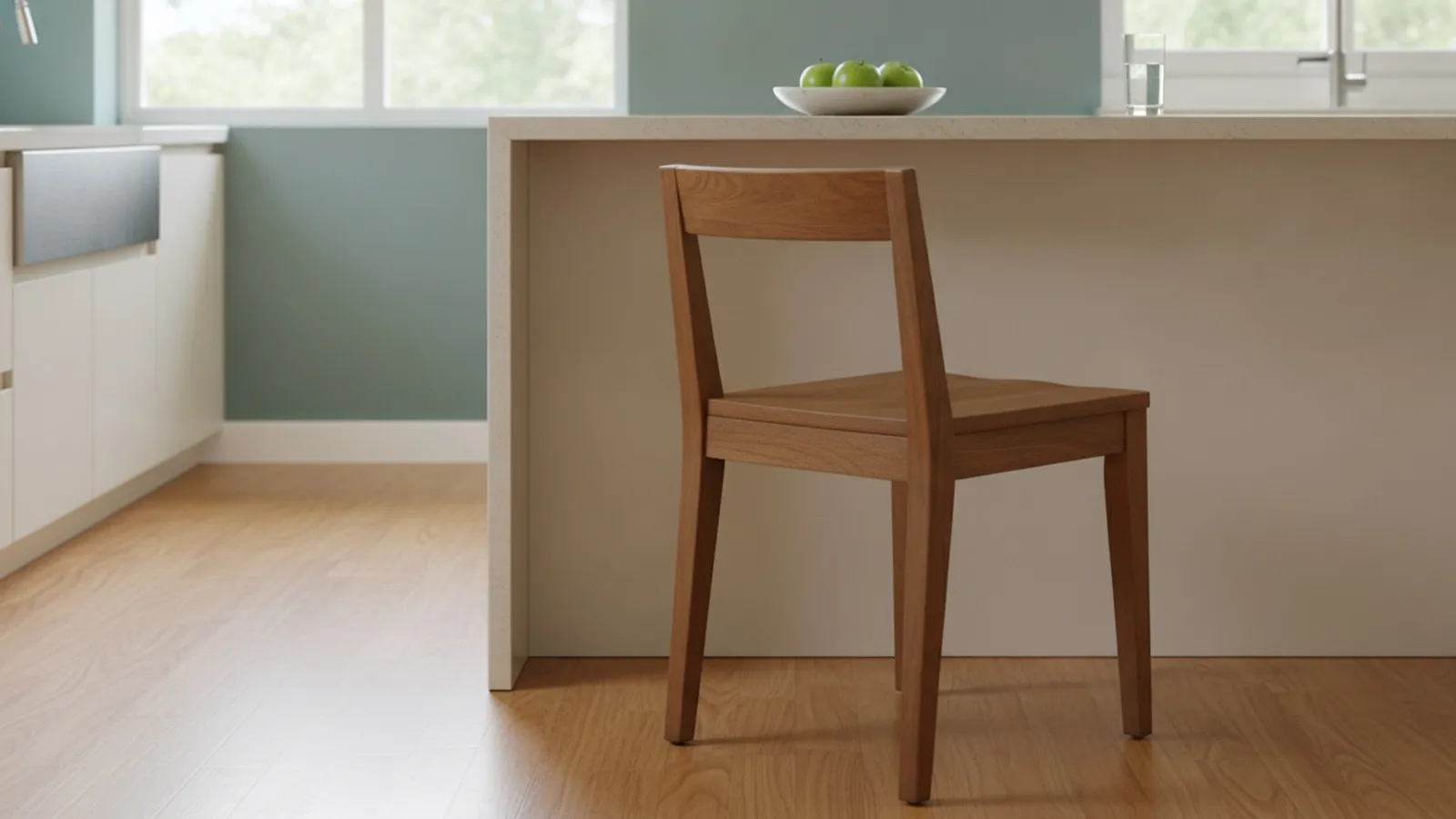
Balance helps when you make a turn in a crowded kitchen, step around a bag on the floor, or pause before going down a curb. You can practice parts of those movements in a calm space with support nearby. Start with versions you can do confidently. Falls, dizziness, or unsteadiness that is new or getting worse deserve a conversation with a healthcare professional before you try exercises on your own.
Give balance a place alongside strength and walking
U.S. guidance for adults age 65 and older includes aerobic, strength, and balance activities. The CDC recommends a mix because each asks something a little different of the body. Walking gives you a way to stay active. Strength work can help you practice getting up from a chair. Balance work gives you a chance to shift weight or step with attention to your footing. CDC activity guidelines for older adults.
You can use a few minutes near the end of a walk or before an existing strength session. Pick a spot with a firm floor, enough room for a few steps, and a fixed counter or other secure support you can reach. Move rugs and clutter out of the way. Keep the support close on both your easier and harder days.
Try movements that apply to everyday tasks
Side steps at a counter. Face the counter and rest your hands on it as needed. Take one small step to the side, then bring the other foot in. Move a few steps in each direction. A small step gives you a chance to notice where your weight goes before you move again. Adapted from NHS balance exercises.
A supported single-leg stand. Hold the counter and lift one foot a little, only if you can do so comfortably and safely. Set it down again and try the other side. Begin with a brief hold and use the support you need. If lifting a foot feels unsteady, use the side steps or ask a physical therapist for a suitable starting exercise. Adapted from NHS balance exercises.
Standing from a chair. Use a stable chair that won’t move. Begin with your feet flat, lean slightly forward, stand, and sit down with control. Use your hands if that helps, or ask for a version that suits you if getting up is difficult. This exercise works leg strength and practices a movement you use every day. CDC chair rise exercise.
A short practice may be easier to do when it has a familiar place. Try it when the kitchen is clear and the floor is dry, or use a fixed rail in a quiet exercise room. Set aside enough time so you can pause between movements. If you’ve already been given exercises by a physical therapist, ask which ones fit best when you’re practicing at home and how you’ll know it’s time to progress.
Judge progress by what feels steadier
Choose one movement and repeat it in the same place for a few sessions. Does stepping to one side feel more controlled? Do you know where to put your feet to get up from your chair? As you feel ready, you can try another step or a slightly longer hold. Keep your support within reach.
For example, if you feel uncertain when changing direction in a narrow hallway, you could start with supported steps in the kitchen. Practice setting each foot down and settling your weight before the next step. If you still feel unsure in the hallway or you’ve caught yourself on the wall more than once, mention it to a healthcare professional. They can help you decide whether a tailored balance program or an assessment of other factors would help.
Choose a time this week when you’ll try one supported movement. If you have a friend who wants to practice too, talk about what you both find comfortable or look for a local class suited to your levels. The pace that feels steady to you is a good place to begin.
Sources
- Centers for Disease Control and Prevention, Older Adult Activity: An Overview and Chair Rise Exercise.
- NHS, Balance Exercises.