How to Move More During a Desk Day
Fit movement into a desk day by attaching short breaks to things that already happen, with options for different kinds of work.

Look for the parts of the workday that already have a beginning and an end. A call finishes. You send a document. You get to the bottom of your cup. Those moments give you a place to put a short movement break without interrupting the part of the day that needs your attention.
Put a break after something that happens anyway
Choose one event you notice without setting another alarm. When the weekly team call ends, walk around the room before opening your email. When you stand to get water, take a longer route back. If your job has scheduled breaks, use a little of the next one for a movement you can do comfortably.
The U.S. physical activity guidelines encourage adults to move more and sit less. Small amounts of moderate activity can contribute to the weekly total, and a relaxed stretch of movement can give you an easy way to change position during a long block at the desk. When you can, make room for a sustained walk or another activity you enjoy as well. CDC adult activity guidelines.
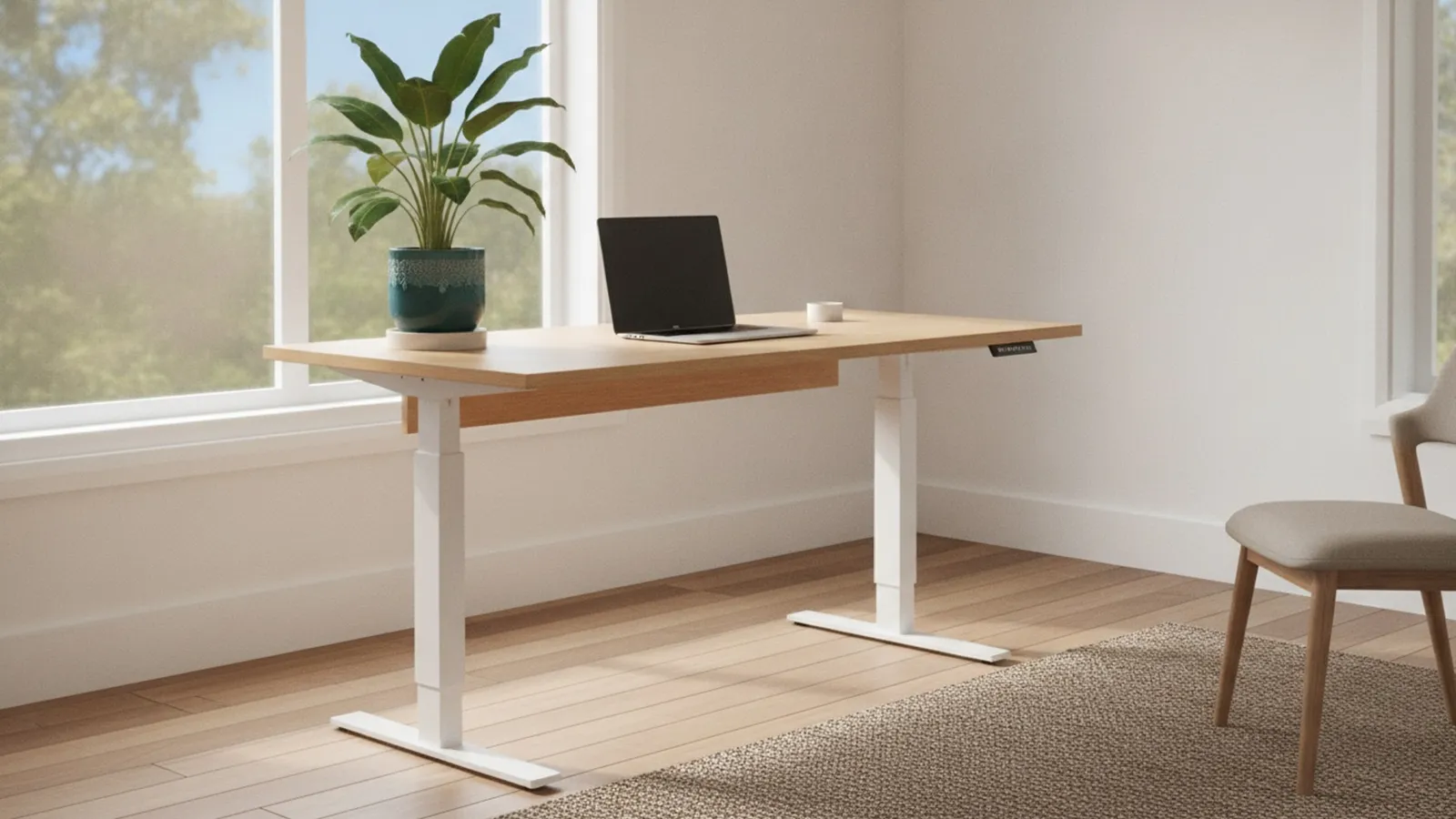
What counts as a break depends on your day and what you can do. You could walk, wheel along a corridor, or move your arms and shoulders while seated. If you like a standing desk, change positions when it suits you and make time to move where you can. What matters for this part of the plan is finding a change you can repeat when the day gets full.
Choose different options for different kinds of work
When you can step away, make a quick trip to the water fountain or take a walk outside the building. Ask a willing coworker to talk through a low-stakes question while you walk if you both have a suitable route.
When you’re tied to the desk, try small, comfortable seated movements. You could try a gentle chest stretch or turn your upper body to each side while your hips stay still, if that’s comfortable for you. Save the longer break for the next time you’re free to get up or move away. If you’re unsure whether a movement suits you, check with a healthcare professional. NHS sitting exercises.
When you control the call, decide whether you need a screen or notes. A phone conversation can sometimes work while moving. Give your attention to the call and choose a safe, quiet route. When you need to present, type, or cross busy streets, make those separate tasks.
Lunch is another opening if you can protect part of it. Choose a route that starts near where you eat and gets you back without rushing. If you bring lunch, you might take a short loop after eating. If you buy it, you could pick a shop a little farther away when your calendar allows. Decide which version fits on a day with half as much time. Being able to shorten it can keep it useful on your busier days.
Build a version for the calendar you have
Suppose you usually work from home, but Tuesdays are full of half-hour meetings. Choose the first opening between calls for a quick lap of the room. Put on shoes before lunch if you plan to go outside. On office days, connect movement to something that already gets you away from your desk, like picking up lunch or checking a delivery. If you miss that break, take the next one you can. You have several possible openings in a day.
Track one thing for the first week. Did you take the break you planned, and what made it easy or hard? If you walked twice on mornings when you refilled your cup and never took the afternoon walk you put on your calendar, keep the water cue. If a coworker has the same gap you do, make one break a regular walk together.
The aim is to find one reliable moment and grow from there. Tomorrow, choose an event that usually happens and decide in advance what you’ll do for a minute or two when it ends. If that fits, add a second time later in the week.
Sources
- Centers for Disease Control and Prevention, Adult Activity: An Overview.
- NHS, Sitting Exercises.