How to Start Walking for Fitness
Start walking for fitness with a route you can repeat, a brisk pace you can find by talking, and a sensible way to build up.


Choose a route you could walk again on a busy day. It might be the same two blocks twice, a loop through a shopping center, or a paved path with a bench halfway around. An easy route to reach gives you more chances to walk. Once the route is familiar, you can put your attention on pace and how you feel.
Plan a short first walk
Pick a time when you can leave without much preparation. After lunch works for some people. Others have a few minutes after getting home, before they sit down and the evening starts. Choose shoes that feel comfortable and look for a route with a surface, lighting, and crossings you can manage. An indoor route is handy when weather makes your usual path uncomfortable.
For an out-and-back, decide how long you want to be out and turn around about halfway through. If ten minutes feels manageable, try five minutes out and five back. If five minutes total sounds closer to what you can do today, use that. Start at a pace that feels comfortable and give yourself time to settle into it. The guideline is something to build toward. Short bouts of movement can fit into a day alongside longer walks. CDC adult activity guidelines.
Find a brisk pace by talking
On a flat stretch, pick up your pace a little and say a complete sentence out loud. If you can still speak in sentences and singing would be difficult, you’re likely around moderate effort. If you have to pause after a few words, slow down to get back to moderate effort. A steep stretch or a headwind can change how hard you’re working even when your speed stays the same. CDC guide to measuring activity intensity.
You can try one short brisk stretch on your first few walks and spend the rest at an easy pace. A landmark makes a good endpoint. Walk briskly to the next corner, return to an easy pace, and see how you feel. Once you know the route, you’ll have a better sense of where it’s comfortable to pick up the pace.
Decide what to add next
Keep the same walks long enough to learn how they fit your week. When they feel manageable, try adding a few minutes to one walk or fitting a short walk into another day. For example, two ten-minute lunch walks could become two ten-minute walks and a Saturday loop with a friend. Extending a route, adding a day and walking faster all increase the demand in different ways. Try one change at a time so you can tell what suits you.
If you have a health condition or disability, or walking is difficult for you, the activity and pace that suit you may look different. A clinician or physical therapist who knows your situation can help you find a workable starting point, including an alternative form of movement. CDC guidance for adults with chronic conditions or disabilities.
An example. Elena has a fifteen-minute break between taking her child to school and starting work from home. She walks five minutes toward a park and takes the same route back. On the second outing, she walks briskly for one level block. After a few days, she knows which crossing holds her up and moves a block over. The shorter wait gives her a steadier stretch without requiring an earlier start. She saves the park itself for Saturday when she has more time.
If the walk leaves your feet uncomfortable, check whether it’s the route, the length, or the shoes before adding time. Try the flatter route or return a few minutes earlier. Write down what changed so the next walk can build on what you learned.
Keep a route for your ordinary days
It’s useful to have two routes. One can be a park loop or a longer walk you look forward to. The other is the one you can do between appointments or in uncertain weather. Keep a note of the days you walked and roughly how the pace felt. That’s enough to tell you whether the plan is fitting your life.
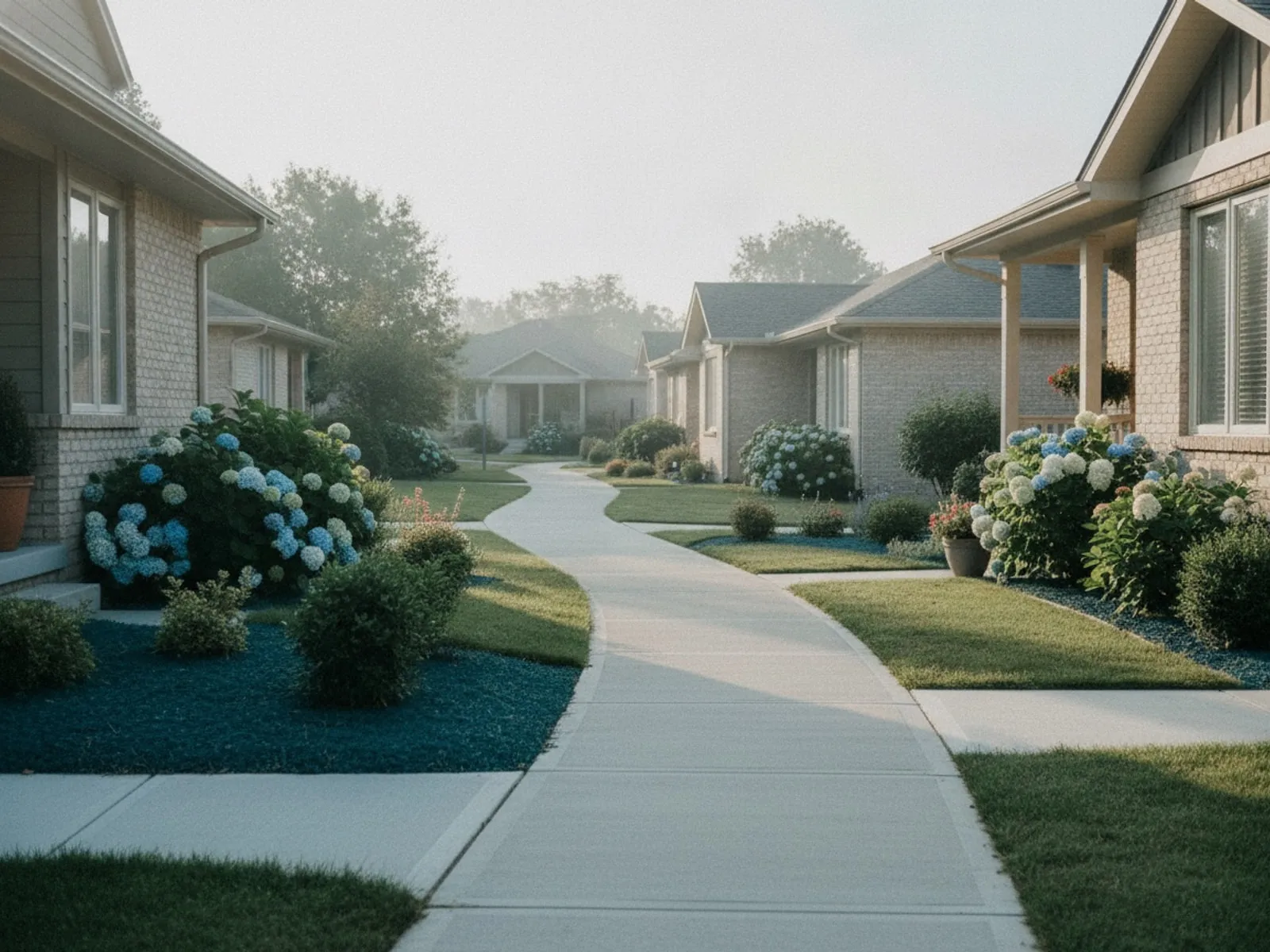
If a week falls apart, return to the route you know. Walk it at a comfortable pace and choose your next slot while you still remember what worked. A familiar ten minutes is an easy place to pick up again.
Sources
- Centers for Disease Control and Prevention, Adult Activity: An Overview, How to Measure Physical Activity Intensity, and Chronic Conditions and Disabilities Activity.