Protein in Everyday Meals
Add protein to the meals you already eat with familiar foods, see where protein powder can fit, and know when to check with a doctor first.


If you wonder how to get more protein, begin with the meal you already eat most often. A bowl of oatmeal might work with yogurt and nuts. Soup could take a handful of beans. A plate of rice and vegetables could become dinner with tofu, eggs, or fish. The easiest change is often an ingredient that fits the dish and that you’re happy to buy again.
If you have kidney disease, talk with your healthcare team or a registered dietitian before changing how much protein you eat. Some people with chronic kidney disease need moderate amounts, while people on dialysis may need more. NIDDK guidance on chronic kidney disease and diet.
Keep a few sources that suit how you cook
Eggs, yogurt, poultry, fish, and other meats are familiar options. Beans, peas, lentils, soy foods, nuts, and seeds also contribute protein. Each comes with other qualities that affect how you use it. Lentils thicken a soup and supply fiber. Tofu can take on the flavor of a marinade. Yogurt works in breakfast and in savory sauces. A tin of fish can make lunch when the fridge is empty. U.S. Dietary Guidelines, 2025–2030, Harvard Nutrition Source guide to protein.
Try choosing one quick source for each kind of day. If you can cook, you might make a batch of lentils or bake tofu for later. For a workday lunch, keep canned chickpeas or make an extra portion of dinner. For mornings when you eat in a hurry, keep yogurt, eggs, or another option you can use with little preparation.
Compare what you’ll actually eat
When you compare two packaged foods, check the protein amount alongside the serving size. If two tubs of yogurt list different serving sizes, the grams listed describe different amounts of food. Compare them using the serving you expect to eat, or use equal weights if you’re comparing similar products. Check the same label for whatever else matters to you, such as sodium or added sugars. FDA guide to reading the Nutrition Facts label.
In a mixed meal, more than one ingredient can contribute. Beans and yogurt can both play a part when you serve them in the same bowl. If you want to get a sense of where your protein comes from, look at a familiar day of meals once. You might find you already have several reliable sources and one meal that would benefit from a change.
Three ways to use the groceries you have
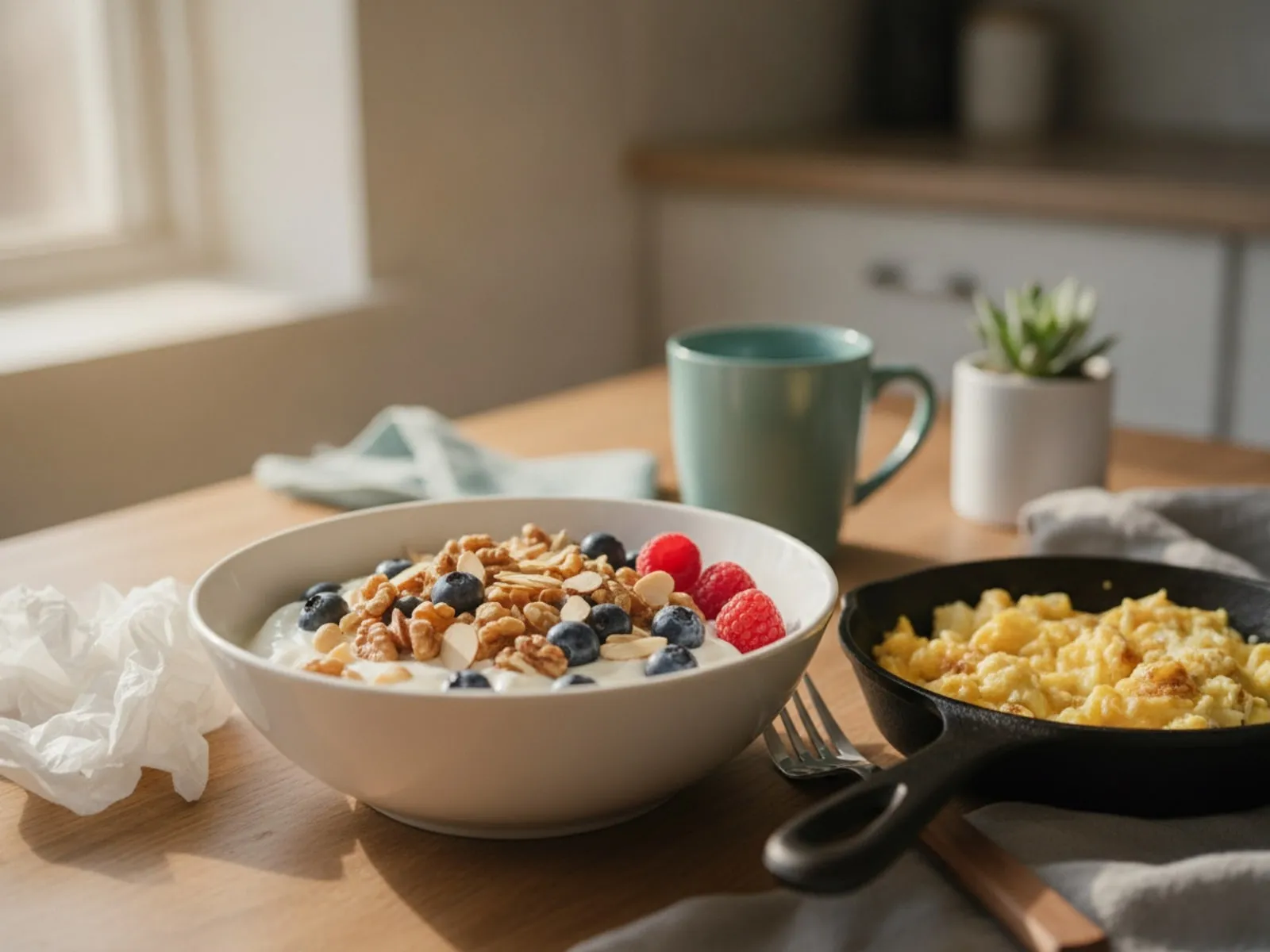
Breakfast. If you make oats every morning, try stirring plain yogurt into the bowl once the oats have cooled a little. If you prefer a savory breakfast, put eggs and leftover greens on toast. Both use the staples you already reach for.
Lunch. Rinse canned chickpeas and mash some with lemon, herbs, and olive oil. Use the mash in a sandwich, then toss the remaining chickpeas into tomorrow’s salad. If you keep leftover chicken, fish, or baked tofu, those can work in a sandwich or bowl as well.
Dinner. Add cubed tofu to a vegetable stir-fry or white beans to a soup. If you discover that you enjoy the ingredient in two or three dishes, it may be worth keeping on your regular shopping list. Choose the foods you can use up before they spoil and keep a shelf-stable option on hand for the end of the week.
Where protein powder can fit
A powder can be convenient when a smoothie is easy to carry or when you’re away from a kitchen. Whey comes from milk, while soy and pea are examples of plant-based options. Check the serving size, protein per serving, ingredients, and any allergen information. The FDA generally does not approve powders sold as dietary supplements for safety and effectiveness before they go on sale. FDA dietary supplements questions and answers. If you take medication or have a health condition that affects what you eat, ask a healthcare professional about the product and the amount that suits you. Some powders contain added sugars or other ingredients besides protein. NIH Office of Dietary Supplements, Harvard Nutrition Source guide to protein.
If you want a simple next step, take the meal where you tend to scramble and write down two protein foods that would fit it. Pick one that can wait in the cupboard or freezer and one you already enjoy. Try them on different days and see which you’d gladly use again.
Sources
- U.S. Department of Health and Human Services and U.S. Department of Agriculture, Current Dietary Guidelines.
- Harvard T.H. Chan School of Public Health, Protein.
- U.S. Food and Drug Administration, How to Understand and Use the Nutrition Facts Label.
- U.S. Food and Drug Administration, Questions and Answers on Dietary Supplements.
- National Institutes of Health, Dietary Supplements for Exercise and Athletic Performance and Healthy Eating for Adults with Chronic Kidney Disease.