Stretching and Mobility for Beginners
A short, gentle stretching and mobility routine for beginners, with safe form and an easy place for it in your day.

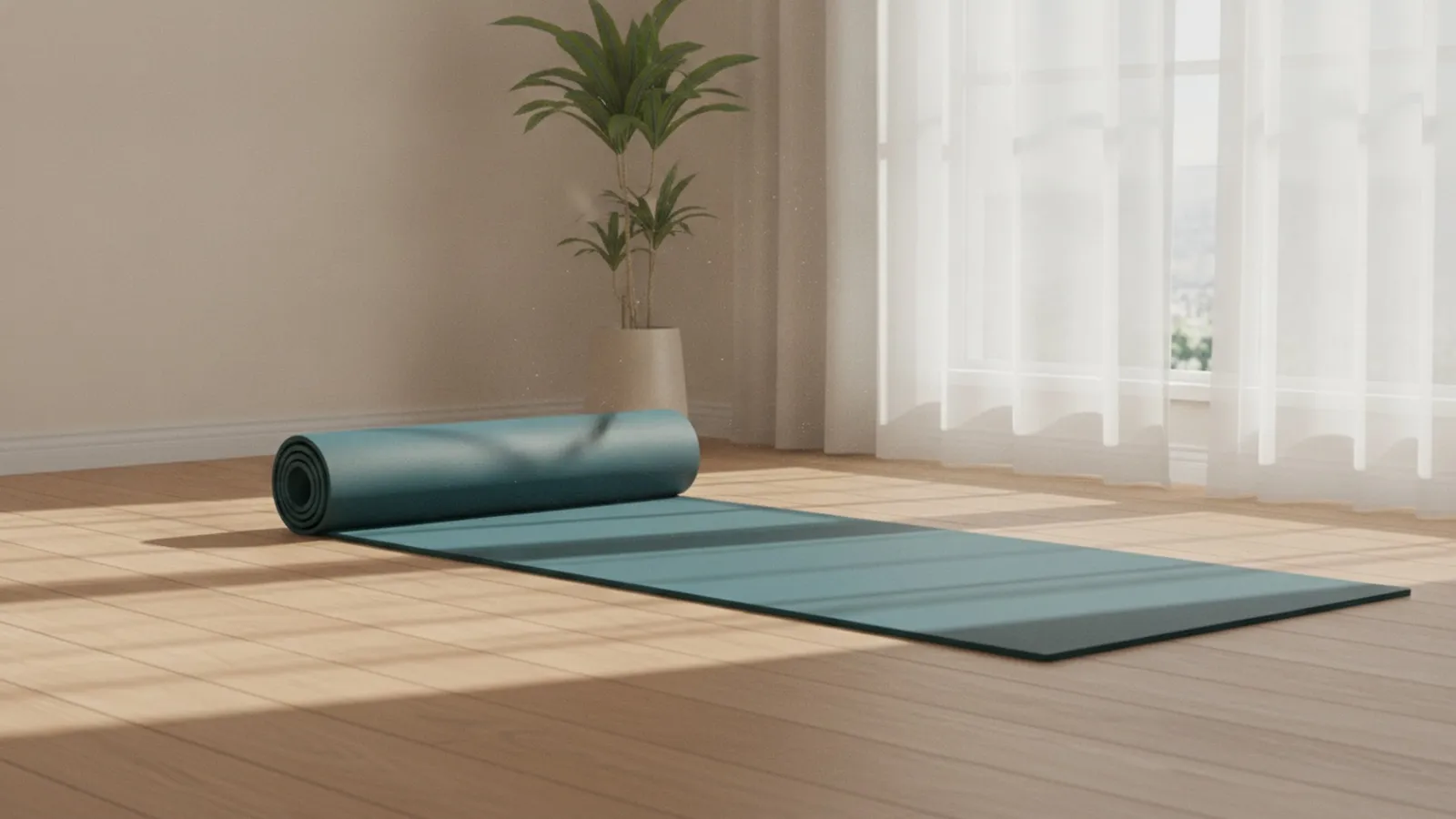
After a long stretch at a desk, it can feel good to stand, turn, and move your shoulders. If you want a short routine, begin with the movements you miss during the day. Give yourself a few easy repetitions and see whether the next ordinary movement, such as reaching for something on a shelf, feels more comfortable.
Know what you’re practicing
In a static stretch, you move gently into a position and hold it. You might stop with your hands against a wall and your back heel down to stretch your calf. Mobility work, as used here, means moving through a comfortable range with control. A seated upper-body turn is one example. Both approaches give you ways to work on range of motion, and you can use them in the same short break.
Warm up first with a few minutes of easy movement. When stretching, aim for a feeling of mild tension and keep breathing. Ease off if you feel pain. Avoid bouncing at the end of the stretch. If you’re about to do a workout, an easy version of the activity can serve as part of your warm-up. Save longer static holds for later, when you’re already warm. Mayo Clinic guide to flexibility.
Try a short break from sitting
Use a solid, stable chair without wheels and give yourself a comfortable amount of space. Start with a few minutes of walking around the room or easy marching while seated. Then pick two or three of the movements below.
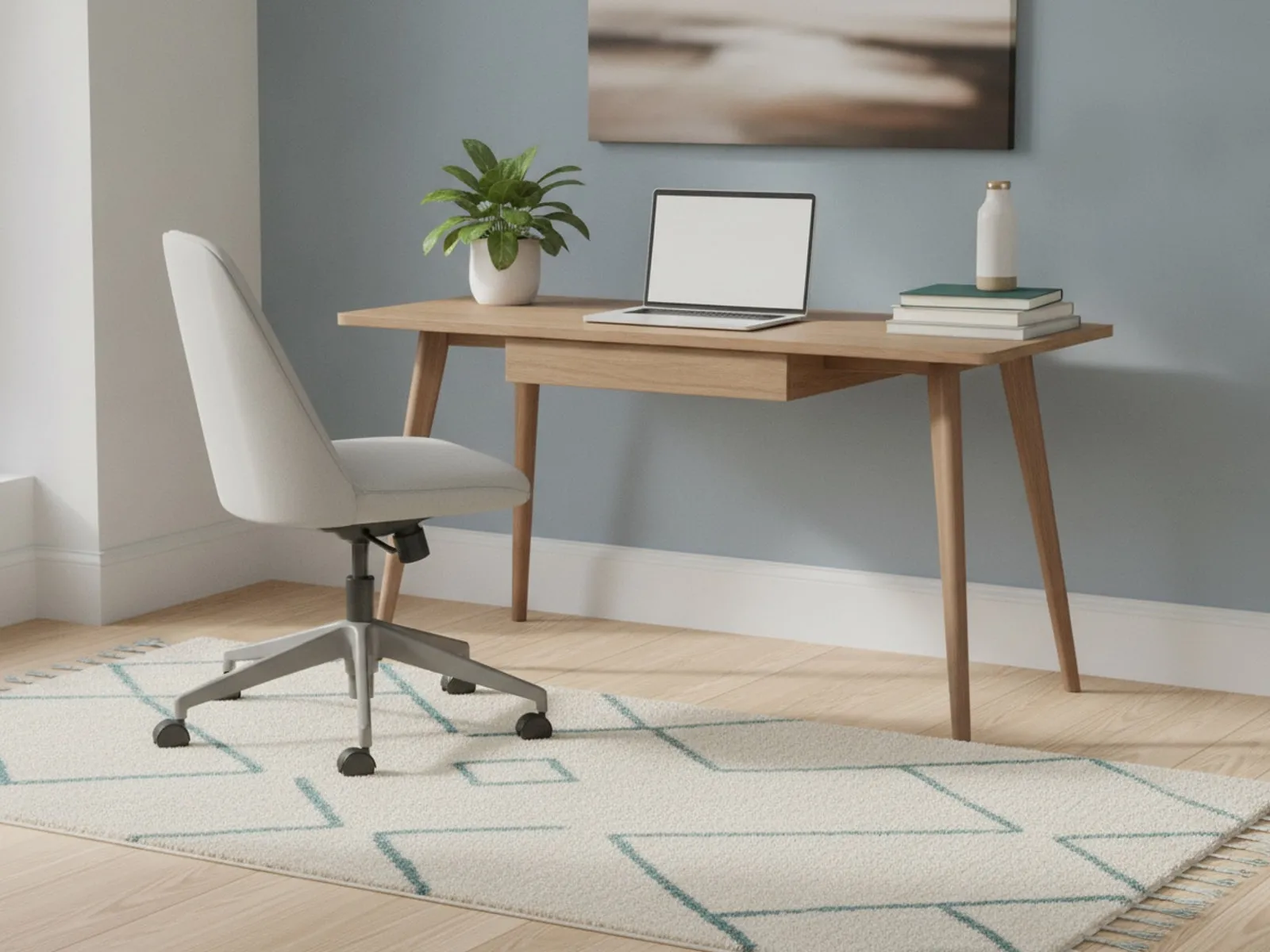
- Shoulder rolls. Let your arms rest at your sides or in your lap. Slowly lift your shoulders, circle them back, then let them settle. Try a few circles in each direction.
- Seated upper-body turn. Sit tall with your feet supported. Turn your chest gently to one side and return to the middle. Repeat on the other side. Keep the motion small enough to stay comfortable.
- Gentle chest stretch. Sit away from the back of the chair if you can do so comfortably. Let your shoulders settle down and back, extend your arms a little to the sides, and ease into a gentle stretch across the chest. A brief comfortable hold is enough to try it.
- Calf stretch. With hands against a wall, keep one foot ahead of the other. Bend the front knee slowly, keeping the back knee straight and the back heel down until you feel mild tension in the calf. Switch sides. Use a stable support and skip this example if standing this way challenges your balance.
Use only the movements that feel manageable. If you have a current injury, such as a strained muscle, or if a health condition or surgery limits your movement, ask a healthcare professional or physical therapist which exercises suit you. NHS sitting exercises, Mayo Clinic guide to basic stretches.
Choose a regular place for it in your day
Try the routine after lunch, between calls, or at the end of a walk. Do it in the same place a few times so you can tell which movements you like. If your shoulders feel tight after typing, a short break to stand and move around may be enough for that moment. If a particular movement keeps feeling restricted or painful, a physical therapist can help you understand what’s going on and choose exercises for it.
Start with the two movements you can remember without looking them up. Try them at the next point in your day when you’d normally get up from your chair.
Make the routine fit where you sit. If you’re in a shared office, you might do the shoulder rolls and seated turns after a call, then walk to refill a bottle. If you work from home, you may have space to take a longer break and try the calf stretch near a wall. Pick a place where you can keep your attention on the movement and return to work without feeling rushed. That makes it easier to keep the break in the day.
Sources
- Mayo Clinic, Stretching: Focus on flexibility and A guide to basic stretches.
- NHS, Sitting exercises.