What Recovery Looks Like After Exercise
Normal soreness after exercise, how to adjust your next session, and the signs that mean you should get medical help.


You tried a longer walk or took your first strength class on Saturday. On Sunday, stairs feel different. Before deciding what to do at the next session, notice where you’re sore, when it started, and whether you can still move comfortably. Ordinary muscle soreness and pain that deserves attention can call for different choices.
Recognize familiar patterns
Delayed-onset muscle soreness can develop after an unfamiliar or harder bout of exercise. It appears after the activity and can become more noticeable over the next day or two. The muscles you used may feel tender or stiff, and the discomfort generally eases over the following days. A new exercise that asks you to lower a weight slowly or control your descent on stairs can leave you noticing muscles you rarely work that way. Clinical overview of delayed-onset muscle soreness, study of soreness after unfamiliar eccentric exercise.
Take note of pain that starts suddenly during exercise, makes it hard to use a joint or limb, worsens, or persists beyond a few days without improvement. A healthcare professional can help work out what’s going on. Unusually severe muscle pain, marked weakness, or urine the color of tea or cola after strenuous exercise calls for immediate medical attention. CDC guidance on signs of rhabdomyolysis.
Adjust the next session to what you can do comfortably
If you’re only mildly sore and moving normally, you might take an easy walk, ride gently, or choose activity that asks less of the sore area. Give yourself a little time to settle into it. If a movement is painful or you find yourself changing how you walk or lift, stop that activity. The schedule can move. Decide what you can do comfortably today and postpone the harder work.
For strength work, an extra day between sessions can be practical when the first one was harder than expected. You can also do fewer repetitions or use a weight you know well at the next session. If a new class had many unfamiliar exercises, return to the ones you can do with control. Give yourself a clear basis for choosing what to change later.
If you exercise with friends, tell them when you’re planning an easier session. You can choose a route that allows you to turn back, or agree to meet afterward if you want different paces. If you go to a class, let the instructor know which movement left you sore and ask about using less resistance or taking a shorter turn. Make the adjustment before the harder part starts. It’s easier to stay with the plan when the people around you know what you’re trying to do.
See how it works in an ordinary week
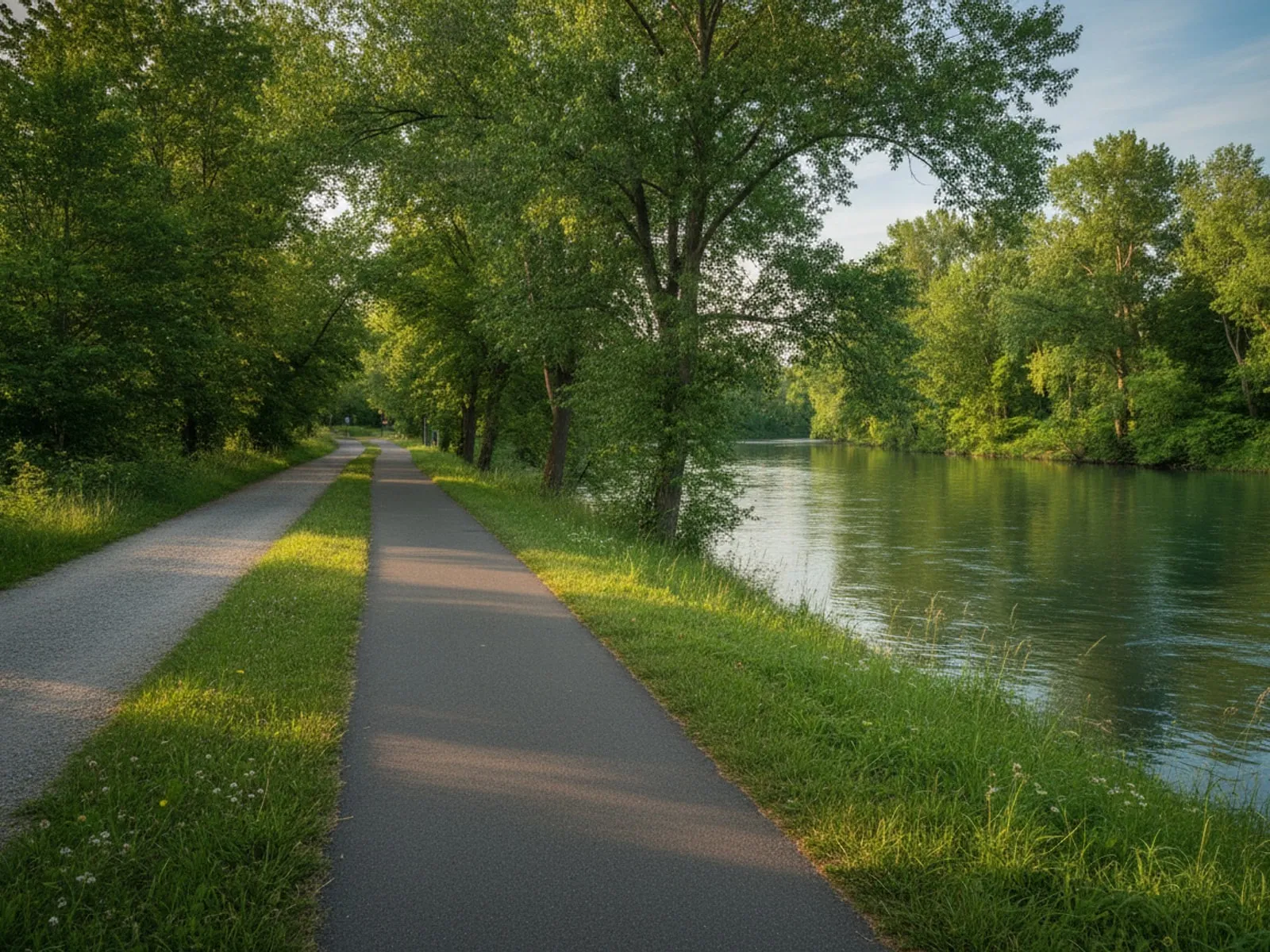
Say you usually take two flat walks during the week. On Sunday, you joined friends on a hilly route that lasted twice as long. By Monday, your legs feel stiff when you get out of a chair. If the stiffness is mild and walking feels comfortable, try a short, flat route that evening. Keep Tuesday flexible. When you feel ready for hills again, try a shorter stretch first. You can enjoy the longer route another time without making every walk that demanding.
Include an ordinary meal, regular fluids, and a chance to sleep in your recovery plan. Put the next session at a time when you have room to warm up and pay attention. If you need to choose between squeezing in the original plan and doing a manageable version, the manageable one gives you more information for the next decision. CDC sleep guidance, CDC water and hydration guidance.
At the end of a harder day, write down what was new. Add a note the next morning if you notice soreness. After a few weeks, you may see which jumps in duration, effort, or exercise choice tend to leave you needing more time. Use the pattern to choose a smaller step next time.
Sources
- Cleveland Clinic, Delayed-Onset Muscle Soreness.
- Michelle A. Cleary and colleagues, Temporal Pattern of the Repeated Bout Effect of Eccentric Exercise on Delayed-Onset Muscle Soreness.
- Centers for Disease Control and Prevention, Signs and Symptoms of Rhabdomyolysis, About Sleep, and About Water and Healthier Drinks.