Your First Four Weeks of Getting Fitter
A flexible four-week starting plan: an adaptable schedule, effort you can recognize, and an easy way back after a missed week.

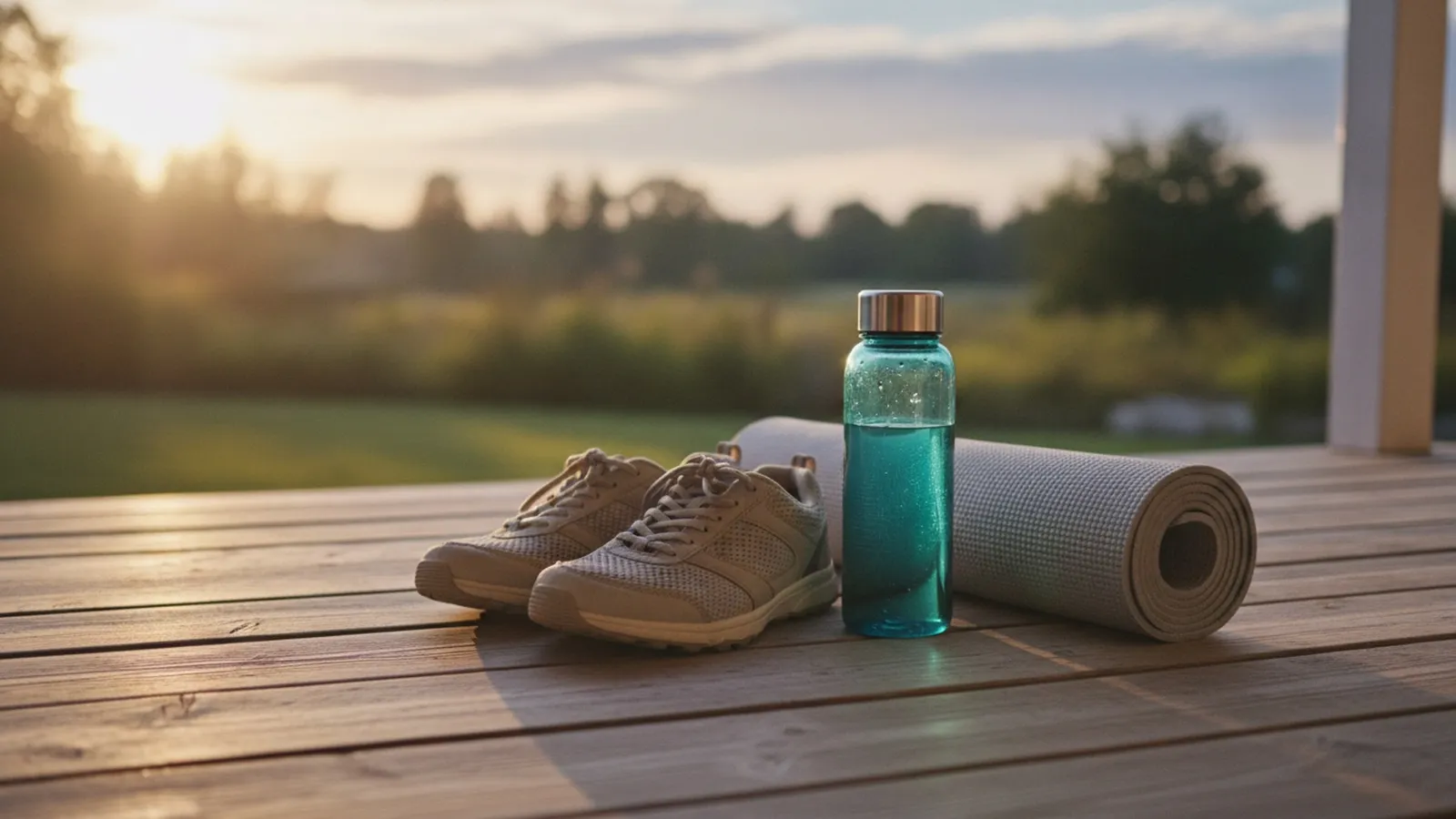
Set aside a short stretch of time for a walk or another kind of movement you can do comfortably. Then choose a second slot later in the week. Four weeks is enough to learn what you enjoy, where exercise fits, and how to adjust when life interrupts it. Begin at a level that lets you finish feeling you could do it again.
Use a schedule you can adapt
This example is for adults starting from little activity who can exercise comfortably. If you already do more, use the same pattern to organize your current routine. If a health condition, disability, injury, or medical restriction affects what you can do, ask a healthcare professional about suitable activity or equipment. Walking in the example can be adapted to another accessible activity, such as easy cycling, water exercise, or wheeling where it works for you. CDC activity guidance for adults with chronic conditions or disabilities.
| Week | Aerobic activity example | Strength work example |
|---|---|---|
| 1 | Walk at an easy pace for five to ten minutes on two days. | Try one short session of familiar movements with comfortable resistance, such as standing from a chair and pushing against a wall. |
| 2 | Repeat the two walks. If they went well, add a third short outing or a few minutes to one walk. | Try a second session on a different day if you feel ready. Repeat the exercises you know. |
| 3 | Keep the schedule that fit. If you’d like, try a brief brisk stretch on one walk, or extend one outing at an easy pace. | Keep using a controlled range. Add a repetition to one exercise if the current amount feels manageable. |
| 4 | Repeat the strongest week so far. If a further change suits you, choose one more outing or a little extra time on one day. | Aim for two sessions you can repeat. Begin adding movements for major muscle groups you haven’t practiced yet. |
Take a week twice if you need to. For each new change, keep the other parts steady long enough to learn how the change feels.
Use effort you can recognize
At an easy pace, conversation should feel comfortable. At a moderate pace, breathing is faster and you can generally still talk, though singing would be difficult. If you want to try a brisk stretch, pick a level section where you can slow down when you need to. On a strength day, choose a version you can control, and finish while you still feel capable of a few more steady repetitions. CDC guide to activity intensity, ACSM resistance training guidance.

The U.S. guideline for most adults is at least 150 minutes of moderate aerobic activity a week or the vigorous equivalent, plus muscle strengthening for all major muscle groups at least twice a week. This four-week example gives you a starting point. You can build toward the full guideline after you’ve found sessions you’re comfortable repeating. CDC adult activity guidelines.
If the first week looks harder once you see it on the calendar, choose one walk and one exercise to practice. Try the walk on a day when you have more time than you expect to need. Do the familiar strength movement separately. Then use the rest of the week to decide when you could repeat each. If your opening week is already active, use the schedule to make your two favorite sessions easier to repeat before adding a third.
Leave yourself an easy way to return
Keep four notes each week. Write what you tried, which days worked, how the activity felt, and what you’d repeat. If your Thursday walk keeps getting crowded out, move it to a different day and see if the rest of the week still works. If you need a shorter day, return to the route or strength movements you know best.
At the end of four weeks, pick the two times that fit most easily and put them back on the calendar. Choose one change for the next month if you’re ready. Some people want to walk farther, some want another day to build strength, and some are ready to try a class. Give yourself a next step that makes sense for the routine you’ve actually built.
Sources
- Centers for Disease Control and Prevention, Adult Activity: An Overview, How to Measure Physical Activity Intensity, and Chronic Conditions and Disabilities Activity.
- American College of Sports Medicine, 2026 resistance training position stand summary.