Exercise After 65: What the Guidelines Add
See how balance joins aerobic and strength work after 65, and compare ways to build a week that fits your abilities.


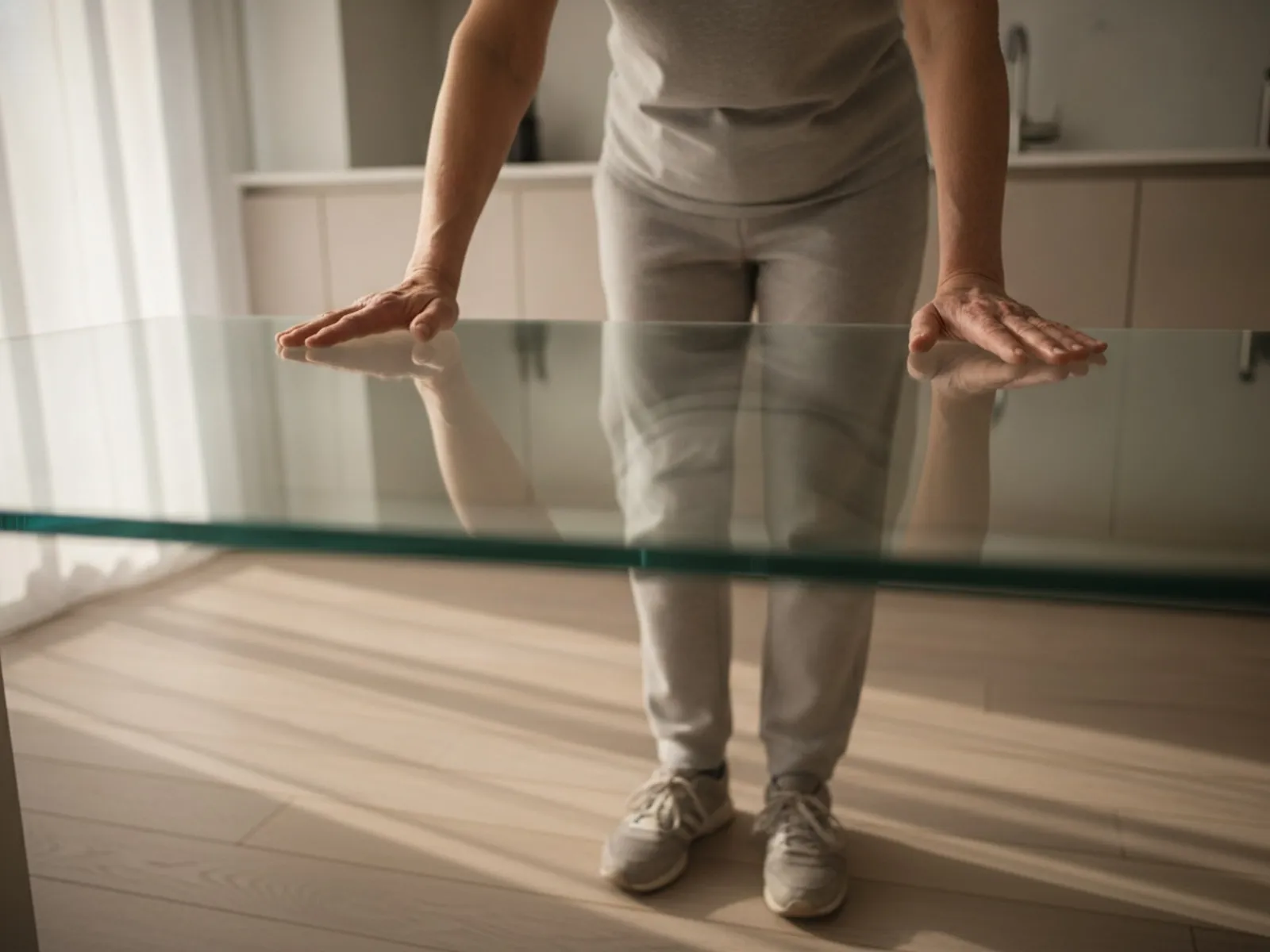
The activity guidelines after age 65 still include walking or other aerobic activity and work that strengthens muscles. They also ask you to make room for balance. Think about where that shows up in your day. A turn between the counter and the sink, standing up from a chair, or stepping over a threshold all involve controlling how you shift your weight.
This is general health information. Check with a doctor before starting a new exercise program, changing your diet, or taking a supplement. Ask what is suitable if you’ve fallen, have dizziness, or have noticed a change in how steady you feel.
Understand the three parts
The HHS Physical Activity Guidelines organize activity recommendations by age and stage of life. The CDC summarizes those recommendations for adults 65 and older. (HHS Physical Activity Guidelines, checked November 24, 2026).
The CDC’s guidance for adults 65 and older describes at least 150 minutes a week of moderate aerobic activity, or 75 minutes of vigorous activity, or a mix. It calls for muscle strengthening on at least two days a week and includes balance activities. The agency recommends being as active as your abilities and conditions allow when you can’t meet its targets. You can start below the suggested totals and give each type of work a place where it suits you. (CDC activity guidelines for older adults, checked November 24, 2026).
A walk across a parking lot may be an errand. A brisk section at an effort where you can talk but singing would be hard can also be moderate aerobic activity. The distance and pace at which that happens can change with the route and the person. If you exercise in a group, you can choose a pace you can manage and agree where to meet. (CDC guide to measuring intensity, checked November 24, 2026).
Strength work gives you a chance to practice against resistance. Depending on your abilities and equipment, that could include a band, a weight, or a familiar movement using your body weight. Keep the version you know when you change your schedule and give yourself a chance to notice how it feels. How to Get Stronger Over Time explains ways to make one manageable change once the current version feels steady. (CDC guide to activities for older adults, checked November 24, 2026).
Add balance to the week
Balance activity can mean practicing how to change position or move with control. The CDC gives examples such as walking heel-to-toe and standing up from a sitting position. The example you choose should suit your abilities. If you need support, ask a healthcare professional or physical therapist about a starting version and where to do it. How to Build Better Balance as You Age describes how the activity connects to things you do around the home. (CDC activity guidelines for older adults, checked November 24, 2026).
Exercise is one part of preventing falls. The CDC also advises asking a healthcare provider about fall risk, reviewing medicines that might affect it, getting your eyes checked, and making the home safer. If you’ve caught yourself on furniture or are worried about a recent fall, tell the clinician what you were doing and where it happened. That gives you a better starting point for the conversation than assuming the solution is simply to exercise more. (CDC fall prevention guidance, checked November 24, 2026).
Combine activities in one session
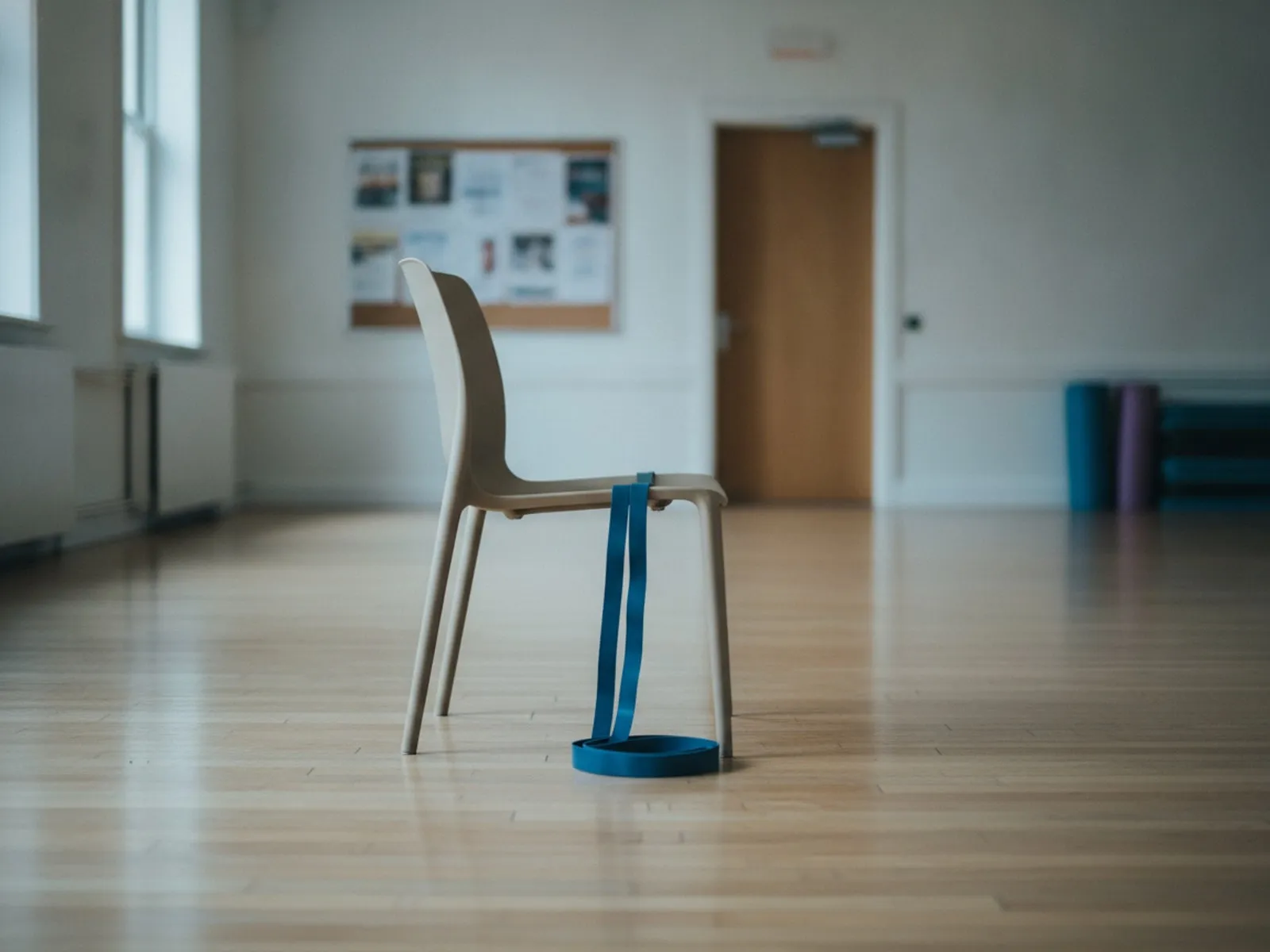
Multicomponent activity combines types of movement. You might see this in a class that includes a warm-up walk, strength work with a band, and supported balance practice. The mix can also be spread across the week. Ask a class instructor which activities are involved, what support is available, and whether you can pause or use a different version. The CDC lists activities such as tai chi and gardening that can use more than one component. (CDC guide to activities for older adults, checked November 24, 2026).
Here is an invented week for someone returning to regular movement with a suitable plan. On Monday, they walk a short loop near home. On Tuesday, they do familiar strength exercises with a few minutes of balance practice using support. Thursday is another walk, and Saturday brings a class with strength and balance work. There is room on the other days for errands or rest. The schedule illustrates where the pieces can fit. It offers no target for the length or difficulty of any session.
For adapting this to retirement, Retire Ready’s guide to staying physically active helps you choose a routine that works with your week. If you want the lead-in from midlife, Middle Age Meaning’s guide to strength, balance, and bone health explains why those activities begin to matter before retirement.
Make the setting fit your abilities
If you’d rather move with someone else, ask a friend to walk a route you both know or look for a group that can explain its pace and setup. Confirm you can reach the room, get a seat if you need one, and hear the instructor clearly. If you prefer home, choose a time when you’re less likely to be interrupted and a spot where you can move without navigating clutter. The CDC’s fall-prevention suggestions include removing trip hazards and adding support where needed. (CDC fall prevention guidance, checked November 24, 2026).
Common questions
Where do I start if I’m not very active now?
Begin with an activity and amount you can manage after discussing suitability with your doctor. Try it where you can pause or change course, and see how it feels before changing the time or effort. Use the guidance as a direction to work toward as your abilities and health allow. (CDC activity guidelines for older adults, checked November 24, 2026).
Can one activity cover more than one part?
Yes. A suitable class or activity can include several components. Ask which parts actually train strength, balance, or aerobic effort, and look at what you do over the rest of the week. (CDC guide to activities for older adults, checked November 24, 2026).
Sources checked
Checked November 24, 2026. HHS Physical Activity Guidelines, CDC activity guidelines for older adults, CDC guide to measuring intensity, CDC fall prevention guidance, CDC guide to activities for older adults.