Gym, Classes or Home Workouts: Choose the One You'll Use
Compare the time, equipment, support, and cost of three ways to work out before you commit to a routine.

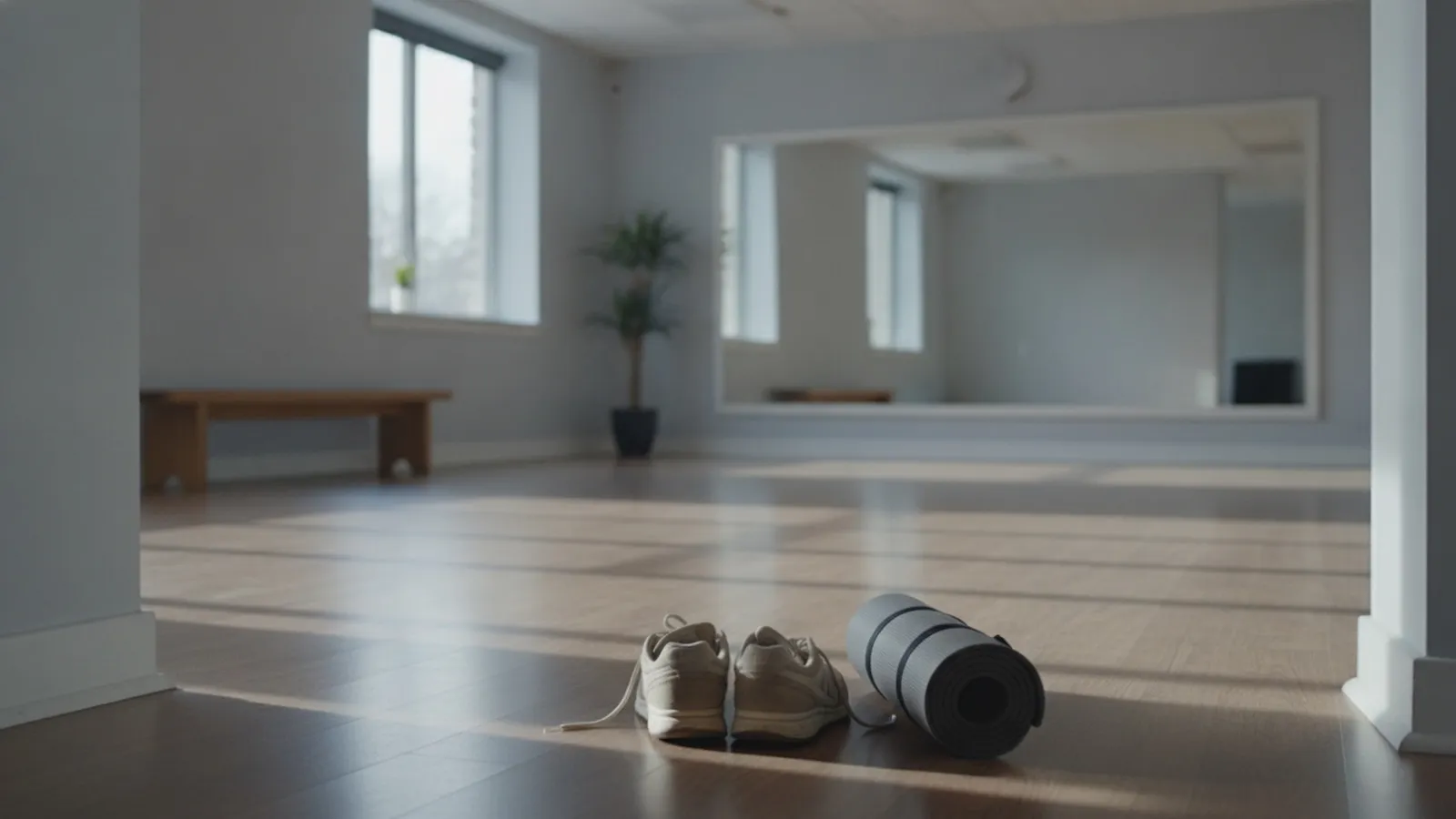
An exercise class may sound good when you look at its schedule. The choice becomes clearer when you picture leaving work, getting there, and being home again. Pick an activity you can see yourself doing in a normal week. Then compare the setting, the total time, any support you want, and what each session would cost on the weeks you expect to have.
This is general health information. Check with a doctor before starting a new exercise program, changing your diet, or taking a supplement.
Compare door-to-door time
Write down when you can start and when you need to be available again. For a gym or class, include travel, parking or the walk from transit, time to change, and any wait for space or equipment. For a home session, include moving furniture, setting up, and putting things away if you share the room. A 30-minute session and a 30-minute opening in the calendar may be two different things.
A gym gives you access to equipment and a place set aside for exercise. The useful question is whether you can get to the equipment you’d use at the times you can go. A class gives you a scheduled start, a shared activity, and sometimes instruction or modifications. Ask how the instructor welcomes beginners. Home gives you more control over when you begin and how long you stay with it. Consider whether you have enough room and would feel comfortable using it.
The CDC suggests picking physical activities you enjoy and that match your abilities. It also lists exercises that use your body weight, resistance bands, and weights among ways adults can strengthen muscles, and Strength Training for Beginners explains how to start. Think about which activity and setup you would repeat before comparing what all three places could offer. (CDC guide to adding physical activity, checked November 24, 2026). (CDC guide to what counts, checked November 24, 2026).
Try the version you could keep
If a facility offers a tour, trial pass, or single class, use it at the time of day you expect to attend. Check how long it takes to arrive and what happens if you show up early or late. If you need an accessible entrance, an adaptable class, or somewhere to rest, ask about it specifically. Whether a pass is available and what it covers depends on the facility. Check the terms before accepting any trial that could turn into a subscription.
Give the home option the same test. Pick a time when you expect to be there, decide what you’ll do, and set out what you need. Afterward, notice whether you started when you meant to and how you felt about doing it again. If motivation depends on seeing other people, schedule a session with a friend or try a group class. If travel is the problem, you could reserve the class for an evening when you’re already nearby.
Compare the cost of the sessions you’ll use
Use expected sessions rather than the largest number you can imagine. Here are invented figures for a month. They illustrate the arithmetic and don’t reflect current prices.
| Option | Invented cost | Expected sessions | Cost for each session |
|---|---|---|---|
| Gym | $48 for the month | 8 | $6 |
| Classes | $72 for the month | 6 | $12 |
| Home | $36 for equipment in the first month | 9 | $4 in that month |
The arithmetic is cost divided by sessions. At four visits instead of eight, the $48 gym example becomes $12 per visit. The home figure includes a one-time purchase. If the equipment is useful next month, account for its cost separately from expenses you would pay again. Also look at any enrollment or cancellation charges, travel, and equipment you’ll need. The cheapest session on paper may be hard to reach at the times you’re free.
Deal Director covers monthly and annual membership pricing if you’re comparing written offers. If your schedule may change, see its guide to pausing and canceling a subscription. Get the terms in writing so you know what happens after a trial or when you skip a month.
Revisit the setting when your calendar changes
Try making a busy-week version of the plan before you commit. If you would miss a class whenever you work late, look at another time in the same week and ask whether you can move your reservation. If you work out at home, find out whether you can leave the space ready, or whether putting equipment away every night would get in the way. An easier setup often tells you more than another list of benefits.
Decide how long you’ll use the trial before reconsidering. After the first few visits, compare the total time you expected with what you actually spent and what you did when a session fell through. A longer contract gives less flexibility if you’re still learning what fits. If you go ahead, save the terms and the date of the next charge so you can review the decision while you still have a choice.
Common questions
Can I use more than one setting?
Yes. You might take a class for instruction and use a shorter session at home when work runs late. Before making two commitments, see whether each one has a purpose and a place in the week. You can keep one thing informal while you see what you’ll use.
What should I pay attention to on a second visit?
Try the time you’re most likely to go on a difficult day. Compare which part felt easiest to repeat and whether you’d keep the same setup if you were doing it next week. Let your first real weeks supply the number of visits for a longer-term comparison.
Sources checked
Checked November 24, 2026. CDC guide to adding physical activity, CDC guide to what counts.