Meditation for Beginners
Try a two-minute guided-attention practice, understand what the research on meditation does and doesn’t show, and keep a version you’ll repeat.

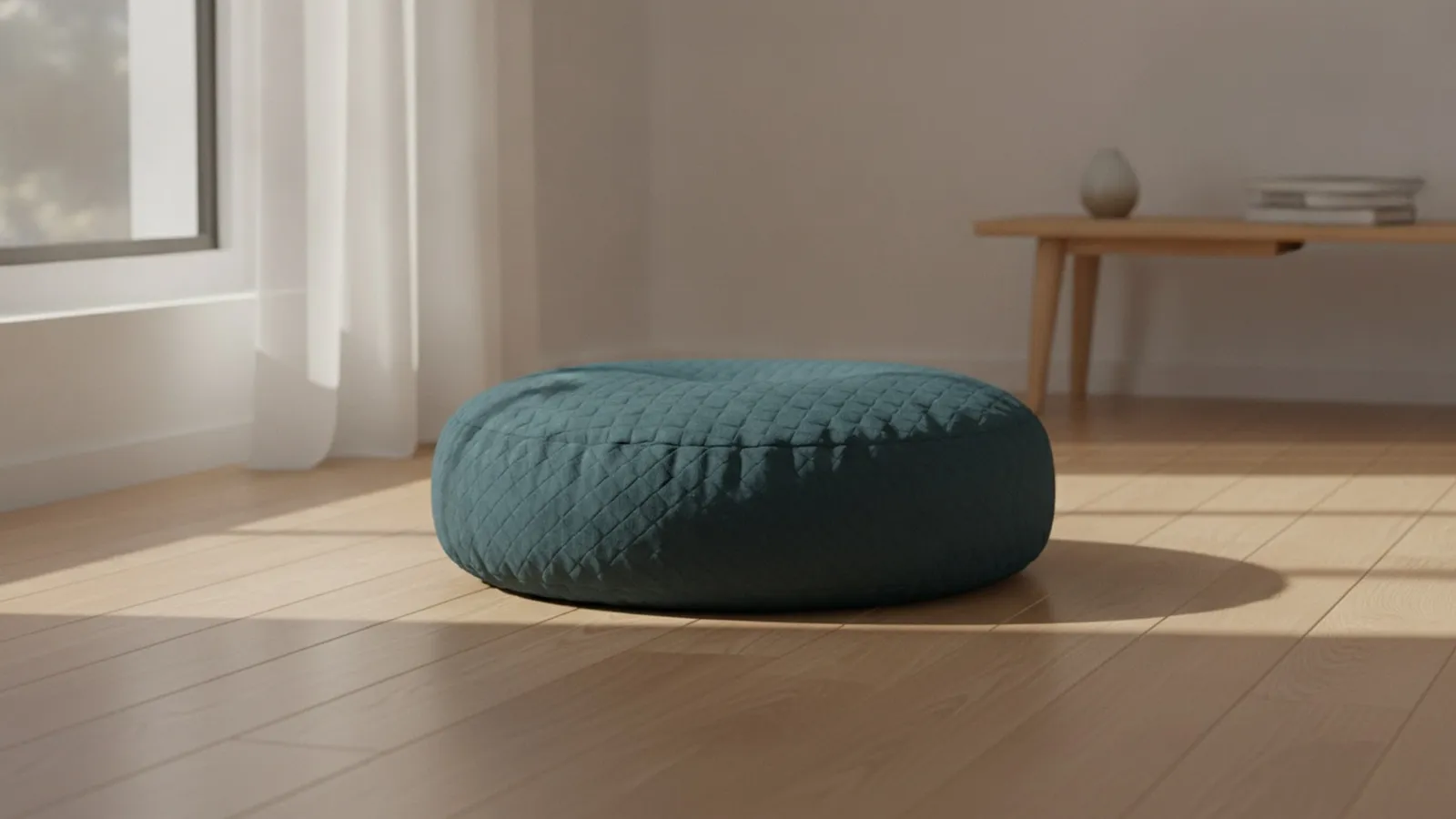
Find a place where you can sit comfortably for a couple of minutes. You can keep your eyes open and look at a neutral spot. Set a gentle timer if you tend to check the clock. For this first practice, you’ll try bringing your attention back to a sensation you can notice, such as the feel of your feet against the floor.
Try two minutes of guided attention
Settle into the chair or another comfortable position. Let your breathing follow its ordinary rhythm. Feel where your body meets the seat. If paying attention to your breath feels comfortable, notice one breath as it comes in and goes out. You can also attend to your feet, your hands resting on your legs, or a quiet sound nearby.
At some point, you’ll probably start thinking about something else. When you notice that, return to the sensation you chose. You can silently say “thinking” if that helps you recognize what happened. Then feel your feet or listen again. If you spend most of the time noticing that your attention wandered and bringing it back, you’ve practiced the exercise.
When the timer goes off, give yourself a moment to look around before getting up. You might feel calmer, you might feel much the same, or you might find that sitting made it easier to notice how restless you were. Treat the first session as a way to learn what the practice feels like for you.
Understand what you’re trying
Meditation covers a variety of practices that focus on mind and body integration and are used to calm the mind and enhance well-being. Mindfulness involves keeping your attention on the present moment without judging it. They can be part of formal programs that include longer guided sessions and other exercises. The two-minute example here gives you a way to try one part of that approach. NIH overview of meditation and mindfulness.
Some research supports mindfulness-based programs for anxiety, depression, and stress, but results vary by program and population, long-term effects are less clear, and NCCIH notes that much of the research has been preliminary. A short practice you do on your own is a different experience from a structured program studied over several weeks. Decide whether it helps you pause or notice what’s happening in your day and give the experiment that modest scope. NIH review of effectiveness and safety.
If you prefer to follow a recording, choose a short one you can stop easily. You might look for a clear voice, time between instructions, and an option to keep your eyes open. Listen once and see whether you like the pace. A silent timer can give you more room if instructions feel distracting. Both approaches leave you free to choose what to pay attention to and to end the session whenever you’ve had enough.
Keep a version that feels manageable
If you liked the practice, attach it to something that happens often. Try it after turning off your computer in the evening or before beginning a task that usually has you rushing. Use the same short amount of time for a few sessions so you can see whether it fits. An eyes-open version or a quiet moment of attention during a slow walk may be more comfortable for you than sitting with your eyes closed.
If a session makes you feel unusually distressed, stop and turn your attention to your surroundings. Some people report unpleasant effects from meditation, and the safety research is limited. If it keeps bringing up distress, or you’re considering meditation because symptoms are interfering with daily life, talk with a mental health professional about what would suit you. Meditation shouldn’t replace care for a health problem or be a reason to put off seeing a provider. If you’re in crisis or having thoughts of suicide, call or text 988. NIH meditation and mindfulness safety guidance.
For example, you might pick the moment when you leave your desk after work. Sit for two minutes, feel both feet on the floor, and return to that feeling when your thoughts drift back to a message you still need to answer. Afterward, decide what you need from the next part of the evening. A meal, a walk, or a conversation may matter more than another session. The practice can give you a moment in which to notice that.
Sources
- National Center for Complementary and Integrative Health, Meditation and Mindfulness: Effectiveness and Safety.