Small Habits for Handling Everyday Stress
Match a small habit to what’s causing everyday stress, give it a cue, and know when ongoing distress means it’s time to talk to someone.


It’s 6 p.m. and you’re still thinking through a work problem while trying to decide what’s for dinner. You may need to resolve the problem tomorrow. For tonight, it can help to choose one action that makes the next hour easier. A short walk, a conversation with someone you trust, or a few minutes to put a plan in writing can give you somewhere to start.
Match the habit to what’s happening
If your mind is still on work, leave a brief note for tomorrow. Write down what happened, the first decision you need to make, and when you’ll return to it. Then close the laptop or move to a different room if you can. You’ve made it easier to resume the work without trying to carry the whole problem into the evening.
If you’ve spent the day by yourself, see whether you’d like to talk to someone. Ask for something specific, like a short catch-up or a ten-minute walk. If you want a chance to talk through a problem, say what kind of response would help. “Could you listen for a few minutes while I get this straight in my head?” gives a friend a way to be with you without having to guess.
If your day has been crowded and you’ve barely moved, try a short change of scene. Walk around the block, stretch comfortably in a different room, or sit outdoors if you’d rather have a quiet moment. Pick an option you can do on an ordinary day. The CDC’s ways to cope with stress include moving more, talking with people you trust, and taking breaks from news and social media. CDC guide to managing stress.
Give the habit a cue
Choose a point when the habit has a chance of happening. If work regularly carries into dinner, try the note just before you stop. If you want to catch up with a friend, agree on a recurring time, with room for either of you to move it. A time you both know about is easier to find again after a hectic week.
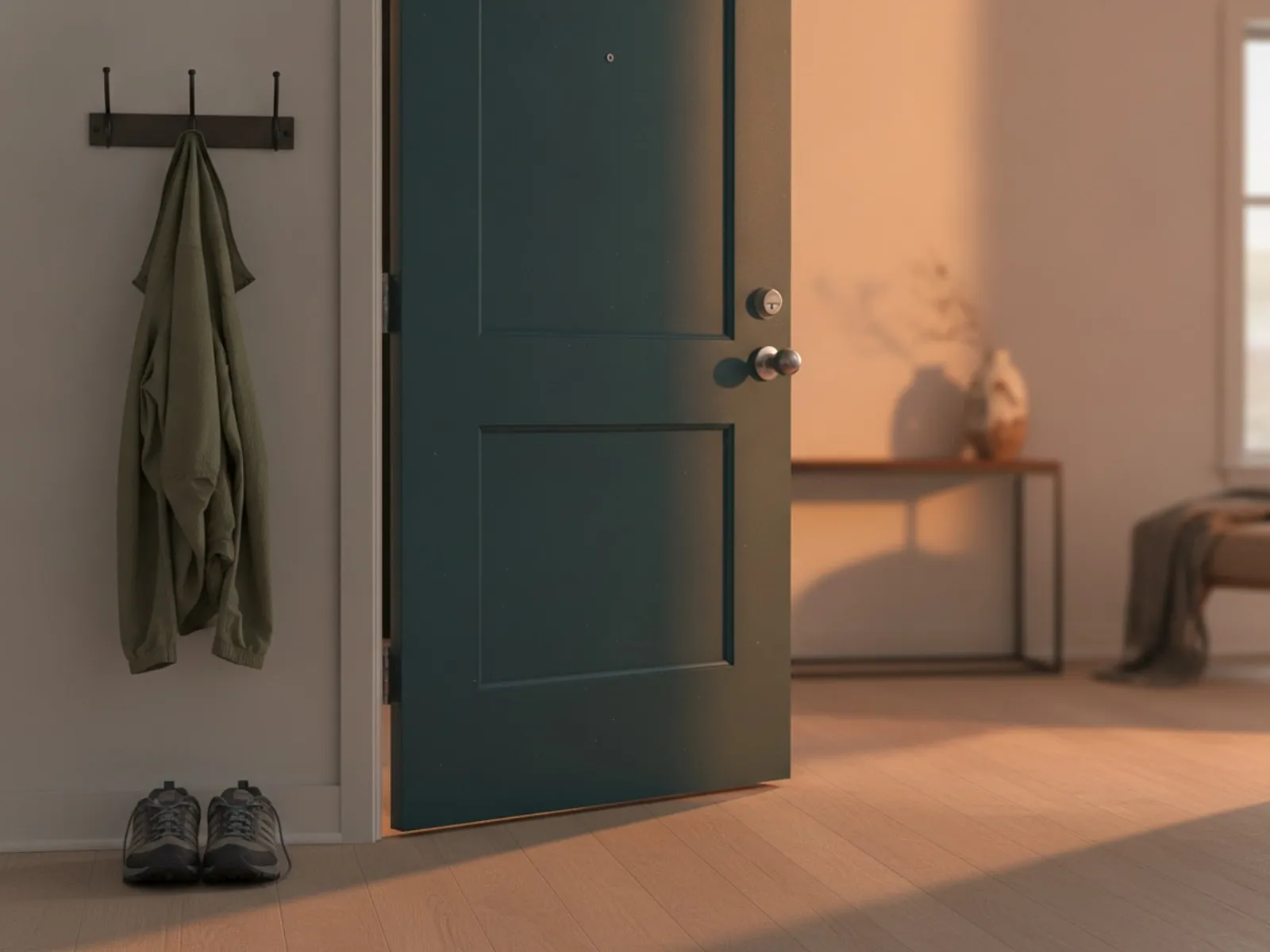
For example, Priya notices she gets home from evening shifts thinking about the conversations she’ll need to have on her next shift. She uses five minutes before leaving to jot down the first one. At home she has a simple dinner ready and waits until afterward to look at messages. On days she still feels wound up, she texts a friend and asks when they can talk. Each step takes on a particular part of her evening.
If it’s hard to tell which part of a busy day feels most stressful, make a note just after the moment passes. You could write “rushed getting out the door” or “still thinking about the meeting at dinner.” After a couple of days, choose one of those moments to work with. Preparing something the night before helps with a different problem from arranging a call after work. A short note can give you a better match between the habit and the situation.
Make room for a practical change
Sometimes the same stress comes back because the situation needs attention. If you’re taking on work you can’t finish, ask which task can move. If caregiving has become hard to manage, find out whether someone can cover a specific hour or help with an errand. You can use a small routine to get through the day and still make time to change the situation that keeps creating the pressure.
At the end of the week, see whether the habit made a noticeable difference to the moment you chose. Maybe walking helped at lunchtime and made little sense after a late shift. Keep it where it worked. If you’ve had severe or distressing symptoms for two weeks or more, such as trouble sleeping, changes in appetite, trouble concentrating, or losing interest in things you usually enjoy, talk with a primary care provider or mental health professional. If you or someone you know is struggling or having thoughts of suicide, call or text the 988 Suicide & Crisis Lifeline at 988, or chat at 988lifeline.org. In a life-threatening emergency, call 911. NIMH guide to caring for your mental health.
Choose one stressful moment you can reasonably expect tomorrow. Decide what you can do in those first few minutes, and put any supplies, contact details, or reminder where you can find them.
Sources
- Centers for Disease Control and Prevention, Managing Stress.
- National Institute of Mental Health, Caring for Your Mental Health.